Is Carroll Gardens a good place to buy? If a private front garden on a quiet brownstone block is the point, it's pretty much the only place, and that's the whole story of this market. The neighborhood pairs a small landmarked core of nineteenth-century rowhouses with two working storefront spines, a park at its center, and the tightest supply of signature homes in brownstone Brooklyn. Buyers who get one tend to keep it for a very long time.
The pitch and the price are the same thing here: the garden. No other Brooklyn neighborhood was drawn with roughly 33.5 feet of private green between the stoop and the sidewalk, and the blocks built to that plan almost never let go of their houses. Turnover runs thin, the landmarked core keeps the streetscape fixed, and buyers who need elevators, doormen, or volume will mostly shop elsewhere. That isn't a limitation. That's the product.
This guide walks the neighborhood the way we'd walk it with you: the four pockets and how they differ, the housing ladder from co-op to garden-front row, what actually drives value, and how to buy well in a market where the best houses trade quietly.
In this guide
- The lay of the land: what defines Carroll Gardens
- Quick comparison: the four pockets at a glance
- Which pocket is right for you?
- Garden-front rows, brick workhorses, and condos: the housing ladder
- What drives value in Carroll Gardens
- Court, Smith, and the corridors
- The four pockets, up close
- The Rahmé Team Carroll Gardens market read
- Buying strategy: how to actually win here
- Living here day to day
- How to choose
- FAQs
- Work with a local team

Fouad Rahmé
Founder, the Rahmé Team at Compass
The Rahmé Team advises buyers, sellers, investors, and developers across Brooklyn, with 40 years of combined experience, more than 1,000 clients and transactions, and over $800 million in career sales, $167 million of it since 2020. RealTrends Verified ranks the team in the top 1.5% of real estate professionals nationwide.
Contact the team or call (718) 233-3365.
The lay of the land: what defines Carroll Gardens
Start with 1846, because the neighborhood's shape was decided decades before most of its houses existed. That year a surveyor named Richard Butts drew this part of old South Brooklyn with lots set back about 33.5 feet from the street. The rows that went up on his plan between 1869 and 1884 inherited front yards deep enough for real trees, and the name the neighborhood eventually took, honoring Charles Carroll of Carrollton and the Maryland soldiers who fought in the Battle of Brooklyn, made the gardens the identity. Butts did one more clever thing: he jogged the east-west streets slightly, so rows of houses close the views down the blocks instead of open sky.
Today the neighborhood runs roughly from the Cobble Hill line at Degraw Street down to Hamilton Avenue, with Court and Smith Streets as its two spines, Carroll Park in the middle, and the Gowanus Canal as its old industrial edge to the east. It's low-rise nearly everywhere, walkable end to end in twenty minutes, and organized around a rhythm that hasn't changed much: coffee on Court, the park in the morning, the F or the G when it's time to leave.
Quick comparison: the four pockets at a glance
Carroll Gardens is compact, but the buying decision changes street by street. Here's the shape of it.
The feel | Housing stock | The pace | Transit | Best if | |
|---|---|---|---|---|---|
The landmarked core | The postcard blocks, garden-front rows under landmark protection | Two- and three-story Italianate and Neo-Grec rowhouses, 1869 to 1884 | The quietest register in the neighborhood, stoop-and-garden rhythm | Short walk to the F and G at Carroll Street | You want the signature gardens and accept landmark stewardship |
The Place blocks | Deep gardens on both sides of the street, a step removed from the corridors | Rowhouses on the Butts plan, single- and multi-family | Calm and residential, with turnover measured in decades | Carroll Street or Smith-Ninth depending on the block | You want maximum garden and plan a long hold |
West of Court | Rowhouse blocks that quiet down toward the BQE trench | Brick and brownstone rows, more un-landmarked stock, garden-level rentals | Steady, with less foot traffic than the spine | The longest walks to the F and G | You want value inside the neighborhood without a corridor at your corner |
The Smith-to-Gowanus edge | The restaurant spine giving way to the canal's cleanup-era blocks | Condos, conversions, and newer builds mixed with older rows | Livelier evenings on Smith, industrial quiet behind it | On top of Carroll Street and Smith-Ninth | You want newer systems, an elevator, or an entry price below a townhouse |
Which pocket is right for you?
Start with one honest question: is the garden the point, or is the neighborhood the point? If it's the garden, you're shopping the landmarked core and the Place blocks, you're accepting landmark stewardship, and you're probably waiting for the right house rather than choosing among several. That patience is the price of admission, and the owners who paid it before you are the reason so little trades. Ask yourself honestly how long you're willing to wait; the answer sorts buyers faster than budget does.
If it's the neighborhood, your search opens up considerably. The blocks west of Court deliver the same calm at a friendlier entry, the Smith-to-Gowanus edge adds condos and conversions with modern systems, and the co-op stock scattered off the corridors is the quiet path in that most buyers overlook. You'll find the trade-offs are honest ones, a longer walk to the platform, a livelier corner, a garden that belongs to the building rather than to you.
Garden-front rows, brick workhorses, and condos: the housing ladder
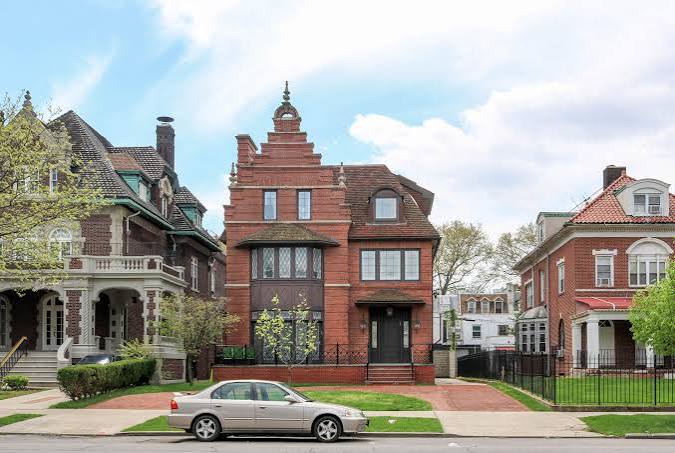
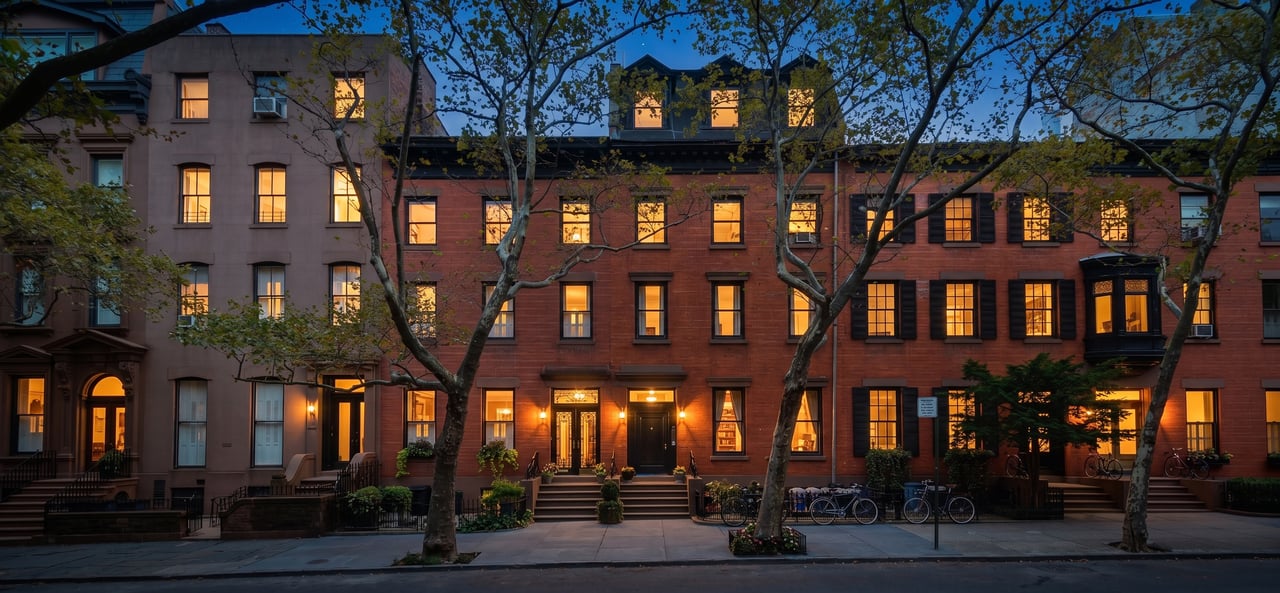
The signature product is the garden-front rowhouse: two and three stories of brownstone or brick, Italianate and Neo-Grec detailing, a stoop, and that deep front yard. Inside the historic district, the 134 protected houses come with even cornice lines, matched stoop heights, and fenced gardens that read as one continuous landscape down the block. Many are configured as single-family homes; plenty run as two-families with a garden-level rental that helps carry the mortgage.
Off the landmarked blocks, the ladder widens. Un-landmarked rows west of Court and south toward Hamilton Avenue trade the protections for flexibility and often a lower entry, and they carry the same bones, thick party walls, high parlors, cellars that tell you the truth about water. Multi-family houses here are real workhorses, and the ones with preserved detail up top and updated systems below are the trades local buyers quietly compete hardest for.
Then there's the newer layer. Condo buildings and conversions cluster toward Smith Street and the Gowanus edge, with elevators, decks, and the predictable monthly costs a townhouse never promises. Co-ops round out the entry rung, mostly in smaller prewar buildings where the board process is real but the price of getting into the zip code drops meaningfully. It's a short ladder compared to Park Slope's, but every rung exists.
One configuration worth understanding before you tour: the classic two-family here usually pairs an owner's duplex over a garden-level rental, and on the setback blocks that rental comes with something almost nothing else in Brooklyn can match, its own share of a real front garden. Done well, the arrangement carries a meaningful piece of the monthly cost while leaving the parlor floors intact upstairs. Done badly, it's a renovation project wearing a rent roll, which is why the income conversation and the condition conversation have to happen together.
What drives value in Carroll Gardens
Land you cannot add. A 33.5-foot setback is not a finish or a renovation; it's dirt, drawn onto the map in 1846, and no new building anywhere in Brooklyn can create more of it. That's the engine under everything else here. The landmarked core caps supply by design, the garden blocks around it are finite, and owners hold. When demand meets a fixed number of irreplaceable houses, the scarcity does the pricing.
Condition sets the spread. Two houses on the same block can live in different markets: one delivered turnkey with systems done and the garden landscaped, the other original everything with a facade due for its restoration cycle. The gap between them is wide, and it rewards buyers who can price renovation honestly, in categories rather than guesses. Cosmetic work is one conversation. Systems are another. Structural and facade work under landmark review is a third, and it runs on the commission's calendar as well as your contractor's.
Block position matters more than square footage suggests. Mid-block on a garden row is the best seat. Corners trade the garden wall for light and noise. The closer you get to Hamilton Avenue and the BQE trench, the more the price acknowledges the traffic, and the closer you get to Smith Street, the more it acknowledges the restaurants, in both directions. None of this shows up in a listing photo, which is exactly why the neighborhood rewards walking it.
The last lever is the newer supply at the eastern edge. Every condo building that rises toward the canal gives the neighborhood an entry point it didn't have before, and that layer absorbs a real share of the demand that would otherwise pile onto the rowhouse market. It doesn't compete with the garden blocks so much as protect them; a buyer who needs an elevator and a parking spot was never going to win a President Street bidding war anyway. Watching where that supply lands is part of reading this market honestly.
Court, Smith, and the corridors
Court Street is the errand spine, and its defining trait is longevity. Storefronts here get measured in generations, Monteleone's Bakery, Court Pastry Shop, Esposito & Sons among them, alongside the hardware store, the fish market, and the kind of daily retail that makes car ownership optional. It's the street that tells you the neighborhood's memory is long, which is worth knowing when you're about to buy into it.
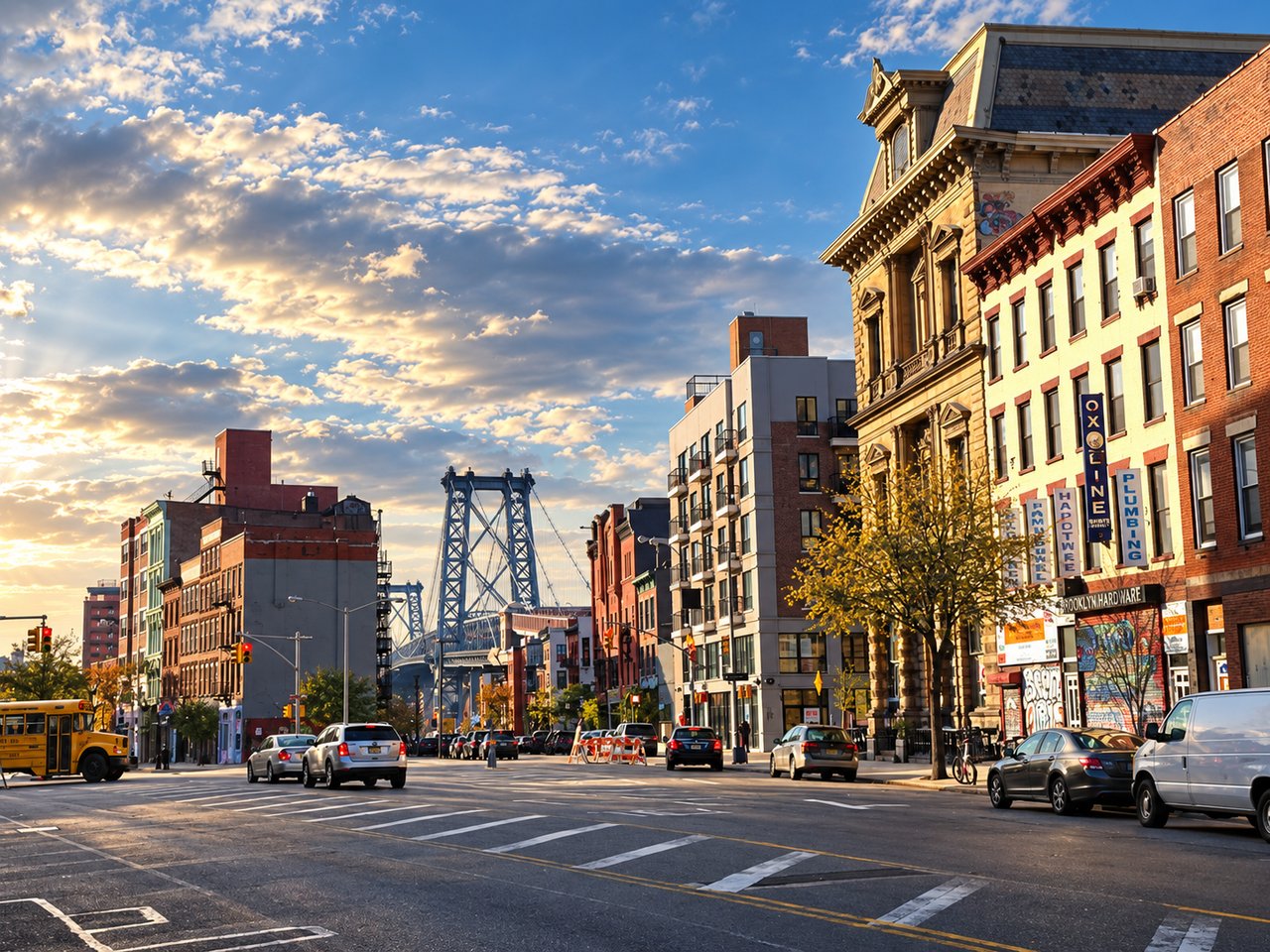
Smith Street runs one block east and plays the other role. It built its restaurant reputation in the 1990s and still carries it, a walkable run of dining rooms, bars, and small shops that turns over faster than Court and keeps the evenings interesting. Living between the two spines means every errand and most nights out happen inside a five-minute radius, which is a bigger quality-of-life lever than any amenity a building can install.
Carroll Park anchors the middle of the grid. It's Brooklyn's third-oldest park by the city's own count, named for Charles Carroll of Carrollton, the Declaration signer, in honor of the Maryland soldiers who defended Brooklyn in 1776, and functions as the neighborhood's shared front yard, mornings especially. For bigger green, Prospect Park is a short ride up the hill, and our roundup of Brooklyn's greenest neighborhoods puts the borough's park access in context.
The four pockets, up close
The landmarked core is the postcard: President and Carroll Streets between Smith and Hoyt, designated by the city in September 1973 and added to the National Register in 1983. The gardens here run 25 to 39 feet deep, the rows went up between 1869 and 1884, and the whole district reads as a single composition, which is what the designation protects. Houses trade rarely and quietly, and when they do, the garden is usually the headline.
The Place blocks, First through Fourth Place between Henry and Smith, are Butts' other gift. He laid them out with the same deep setbacks on both sides, written into Brooklyn law in 1846 at 33 feet 5.25 inches, and old city maps even counted the yards as street, so the Places once read as wide streets on paper. The suburban sense of space is real, and the gardens are what's doing it. They sit outside the tiny historic district, which means more renovation freedom, and they're the answer for buyers who want maximum garden without the commission's calendar.
West of Court, the neighborhood exhales. The rows between Court and the BQE trench carry more brick, more un-landmarked stock, and noticeably less foot traffic, and pricing acknowledges the longer platform walk. Value hides in plain sight here: same park, same corridors two blocks over, same housing DNA, without the signature setback or premium.
The Smith-to-Gowanus edge is where the neighborhood meets its industrial past. East of Smith, older rows mix with conversions and newer condo buildings, and the blocks step down toward the canal, the area's long-running cleanup story and, increasingly, its construction zone. Buyers here trade garden-front romance for elevators, parking, and newer systems, and the honest advice is to walk the specific block at night before you commit to it.
The Rahmé Team Carroll Gardens market read
The garden-front houses barely turn over, so each sale resets the block's expectations rather than confirming them, while the condo and co-op layers trade often enough to price more predictably. That split means a Carroll Gardens number without its context can mislead in either direction, and it's why we'd rather hand you the current picture than publish one that ages.
For the borough-wide picture, our Brooklyn market report runs the numbers from the closed-sales record itself and refreshes with each edition. For Carroll Gardens specifically, call us and we'll pull what actually closed on the blocks you're considering, current, sourced, and matched to the house type you're weighing, because a garden-front row and a Smith Street condo are not the same market wearing one median, and pretending otherwise is how buyers misprice both.
Buying strategy: how to actually win here
Get underwritten before you get attached. The best houses here attract buyers who have been waiting for years, and in that company a fully underwritten pre-approval and clean terms beat an extra percent from a slower rival. Sellers on these blocks are choosing a closing, not just a number.
Learn the landmark process before you bid on the core. Inside the district, street-visible work runs through the Landmarks Preservation Commission, routinely through a Certificate of No Effect for in-kind repairs, and your renovation timeline needs to respect that calendar. It's a manageable process with the right architect, and it's also the reason the blocks look the way they do, so treat it as part of what you're buying.
Do the garden's due diligence, not just the house's. Check the grading and drainage, walk the cellar after rain if you can, and read the facade's history in its patches. Then work off market. A meaningful share of garden-front trades starts as a relationship, a letter, a call from an agent who knows the owner, months before any listing would have appeared. That's how this search actually works. Start it through our contact form or browse the current listings to calibrate, and expect the winning move here to be preparation plus patience rather than speed.
One more piece of craft: plan for the appraisal before you need it. Garden-front houses trade so rarely that the last true comparable sale may be a year or more old and two conditions removed from the house you're bidding on, and an appraiser working from thin comps needs the story assembled for them, the setback, the protections, the renovation scope, the block. We build that file as part of the offer, because financing that collapses after you win is the failure mode nobody warns you about.
Living here day to day
Mornings belong to the park and the platforms. Carroll Park fills early, the coffee lines on Court move fast, and two stations sort the commuters: Carroll Street for the center of the neighborhood, Smith-Ninth Streets at the southern edge, 87.5 feet in the air, the highest station in the subway system because ships once needed to pass beneath it on the canal. The F takes you into Manhattan; the G is the borough crosstown, and the transfer is the honest cost when your office isn't on the F's line.
Days run on the corridors and the gardens. You'll find the gardening here is seriously competitive, fig trees, roses, whole front yards composed like rooms, and a walk down President Street in June explains the neighborhood faster than any guide. School zoning runs by address, and the name that comes up most is P.S. 58, The Carroll, on Smith Street, home to the city's first public-school French dual language program, launched in 2007; verify any specific address through the Department of Education's school search rather than a listing's claim.
The edges are the fine print. Hamilton Avenue and the BQE trench carry real traffic, the canal blocks are a construction story that improves and inconveniences in the same season, and Smith Street's restaurant nights are either the amenity or the noise depending on which side of your windows they land. None of it is disqualifying. All of it is walkable in an afternoon, which is exactly what we'd tell you to do.
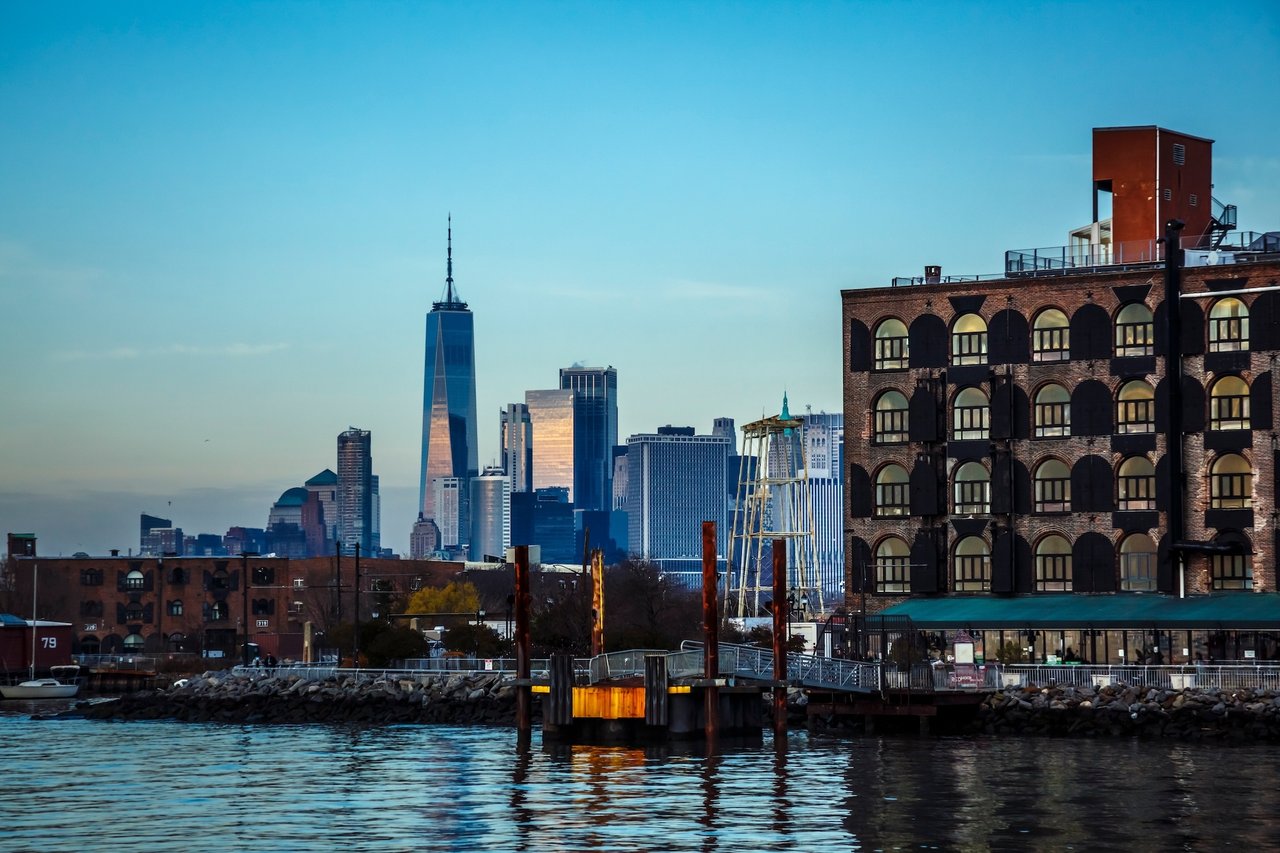
The calendar has its own rhythms here. The garden blocks go all in on Halloween, spring turns the setbacks into an open-air flower show, and summer weekends drift toward the water, Red Hook's piers and the harbor a walk or a short ride southwest. It's a neighborhood that rewards staying put on a Saturday, and the people who've been here longest are the ones who barely leave the grid on one.
How to choose
Lead with the priority and the rest of the search gets simpler.
If this is the priority | Start here |
|---|---|
The deep front gardens themselves | The landmarked core, then the Place blocks |
Entry price into the neighborhood | Co-ops off the corridors and condos toward the Gowanus edge |
Rental income alongside your home | Multi-family rows west of Court and on the Place blocks |
Newer systems and an elevator | The Smith-to-Gowanus edge |
The quietest possible block | The Place blocks and the mid-blocks west of Court |
The shortest platform walk | Anything within a few blocks of Carroll Street station |
FAQs
Is Carroll Gardens a good place to buy a brownstone?
If the front garden is the point, yes, and there's nowhere else in Brooklyn quite like it. The neighborhood pairs a small landmarked core of 1869 to 1884 rowhouses with garden setbacks of roughly 25 to 39 feet, two storefront spines on Court and Smith, and a housing ladder that runs from co-ops to garden-front townhouses. The trade-offs are thin inventory, landmark stewardship on the signature blocks, and a commute built around the F and the G.
Why does Carroll Gardens have such deep front gardens?
Because a surveyor named Richard Butts planned it that way in 1846, drawing lots with front yards about 33.5 feet deep, decades before most of the houses went up. The blocks of President and Carroll between Smith and Hoyt were built to that plan, with gardens running 25 to 39 feet, and Butts laid out First through Fourth Place with the same setbacks. The gardens aren't landscaping that grew in over time. They're the original land plan, which is why they can't be replicated anywhere else.
Why is inventory so tight in Carroll Gardens?
The math is unforgiving. The landmarked core holds 134 protected rowhouses, the garden blocks around it are finite, and owners tend to measure their stays in decades, sometimes generations. When a garden-front house does trade, it often goes to a buyer who was waiting specifically for it, and a real share of those deals starts as a conversation rather than a listing. The condo layer toward the Gowanus edge adds supply, but the signature product barely turns over.
Can I renovate a landmarked Carroll Gardens brownstone?
Yes, and owners do it constantly; landmarking governs how, not whether. Inside the historic district, work that's visible from the street, facades, stoops, ironwork, cornices, and the garden-facing front, needs Landmarks Preservation Commission sign-off, often through a Certificate of No Effect for like-for-like work. Interior renovations mostly proceed under normal permits. Build LPC timelines into your plan and hire an architect who files with the commission regularly.
What should buyers inspect in a 19th-century Carroll Gardens house?
Start where the neighborhood is unusual: the garden itself. Check how the yard drains and whether grading pushes water toward the foundation, then walk the cellar for moisture history. From there it's classic brownstone due diligence, facade condition and past patching, roof and cornice, party walls, and the age of the heating, electrical, and plumbing systems. Price the work in categories, cosmetic versus systems versus structural, before you fall for the parlor floor.
How do school zones work in Carroll Gardens?
Zoning runs by address and can shift block to block, so verify any specific home with the Department of Education's school search before you write an offer. The name that comes up most is P.S. 58, The Carroll, on Smith Street, which launched the city's first French dual language program in a public school in 2007; program seats are a separate application from the zone itself. Treat the DOE lookup as the only answer that counts for your address.
What is the commute like from Carroll Gardens?
You're working with two stations on the F and G: Carroll Street at the neighborhood's center and Smith-Ninth Streets at its southern edge, which sits 87.5 feet up, the highest station in the subway system, built that tall so ships could clear the Gowanus Canal below. The F carries you into Manhattan; the G is the Brooklyn crosstown. Plan around the transfer if your office isn't on the F, and enjoy the harbor view from the Smith-Ninth platform either way.
Carroll Gardens, Cobble Hill, or Park Slope: how do I choose?
Choose by the thing you'll actually use. Carroll Gardens is the garden: private outdoor space in front, low-rise calm, and the tightest supply of the three. Cobble Hill is the smallest and most uniform, with a similar register and even scarcer stock. Park Slope trades some quiet for scale, the park at the top of the hill, and a deeper bench of housing at every rung. Walk all three on a weekday morning and the differences explain themselves.
Weighing the neighbors too? Our BoCoCa guide and Park Slope guide walk those markets the same way, block by block, and the comparison pages for Park Slope and the BoCoCa neighborhoods hold the current inventory picture.
Work with a local team
Carroll Gardens rewards buyers who can read a drainage slope as fluently as a cornice, and in a market where the best houses trade on relationships as often as listings, that fluency is the whole job. The Rahmé Team at Compass brings 40 years of combined experience across Brooklyn, ranks in the top 1.5% of real estate professionals nationwide by RealTrends Verified, and has closed more than $800 million in career sales. We work with buyers and sellers on garden-front due diligence, landmarked renovations, multi-family analysis, and the off-market conversations this neighborhood actually runs on.
Ready to see Carroll Gardens properly? Start with our BoCoCa neighborhood page, then call the Rahmé Team at (718) 233-3365 or request a Carroll Gardens inventory list through our contact form, built around your block preferences, not just your price point.