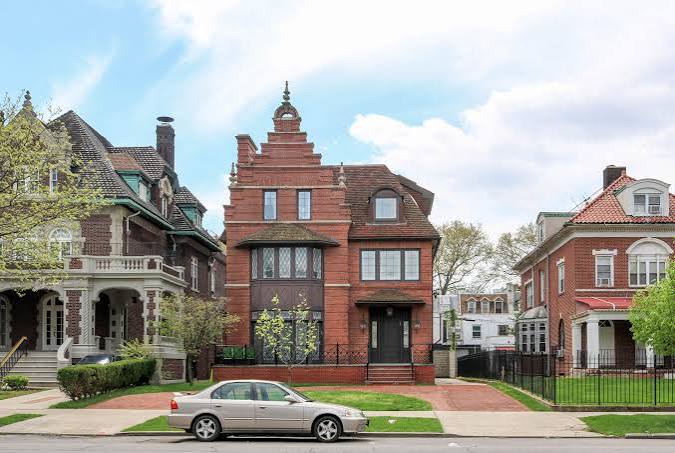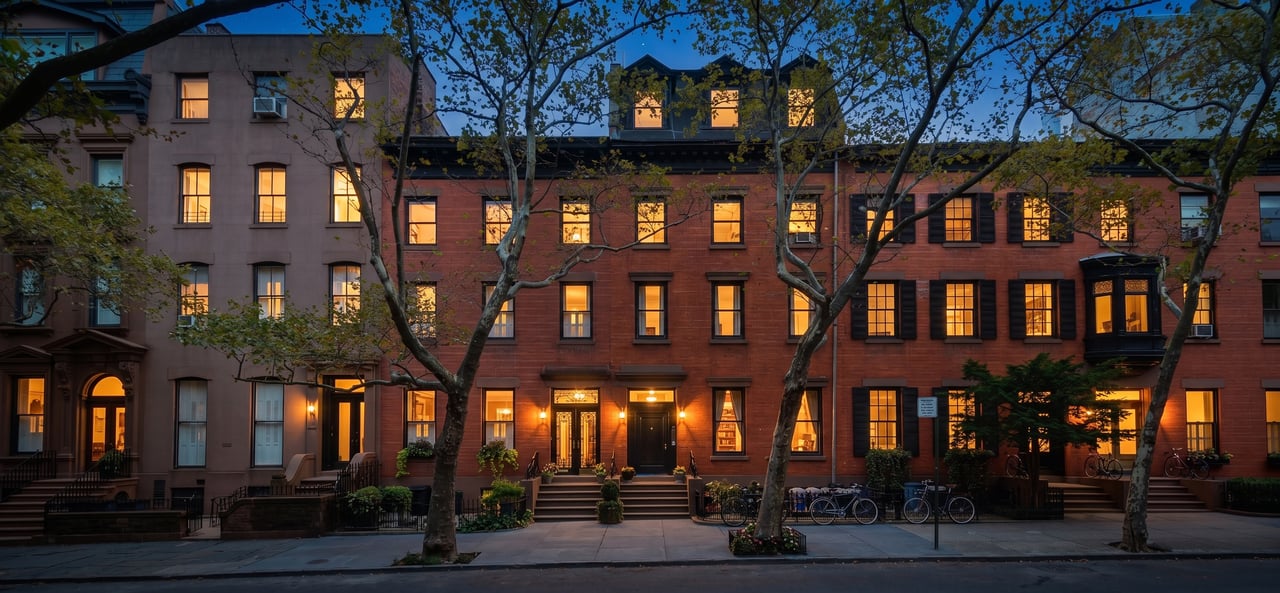
The recently approved "City of Yes for Housing Opportunity" is the most comprehensive revision of New York City's zoning resolution since 1961. As real estate professionals are aware, most municipal plans rarely translate into significant market changes. This plan is an important exception, positioned to reshape the NYC real estate market. It aims to facilitate the creation of approximately 80,000 new housing units over the next 15 years.
Key Regulatory Changes Impacting Property Value
The core of the plan lies in three primary areas that directly affect property owners and developers:
The Universal Affordability Preference (UAP)
The UAP is perhaps the most significant component for investors. This allows developers to build approximately 20% more floor space than currently permitted under zoning regulations. In exchange for this density, the resulting extra units will be assigned as affordable housing units:
-
Affordability targets households making around 60% of the Area Median Income (AMI).
-
For larger projects, certain units must be accessible to households at 40% AMI.
-
From an investment perspective, this creates opportunities for increased density, potentially leading to higher rental income or property values in areas previously constrained by restrictive zoning.
Legalization of Accessory Dwelling Units (ADUs)
This change will affect single-family homes because it will allow ADUs such as basement apartments, garage conversions, and backyard cottages in many neighborhoods where they were prohibited before.
-
For homeowners, this introduces a direct path to creating a new, legal income stream on their property.
-
It is subject to specific restrictions, including limitations in flood zones and adherence to historic district regulations, and requires all necessary permits.
Office-to-Residential Conversions
To resolve the oversupply of commercial units, they will start converting offices into residential units. This is expected to transform historically commercial areas into residential neighborhoods which can affect property values.
Revised Parking Requirements
The city is changing parking rules to save on building costs and get more people to use public transit. The new rules are split into three zones based on how good the transit access is:
-
Zone 1 (Major Transit Areas): No minimum parking requirements.
-
Zone 2 (Good Transit Access): Reduced parking requirements.
-
Zone 3 (Limited Transit Access): Existing rules largely remain in place.
Conclusion
The impact on property values is expected to be localized and varied. The plan needs a lot of infrastructure upgrades to handle all the new homes. Expect price growth to slow down in some areas as more houses are built. We need to keep an eye out if this big change is actually enough for all the projected growth.
Check your new specific zoning rules now for any investment or development plans before moving forward!
Frequently Asked Questions (FAQs) About City of Yes
What exactly is the City of Yes for Housing Opportunity?
It's a big change to the zoning rules. The purpose is to make it easier to build new homes over the next 15 years. This will include rules on small apartments, commercial spaces, and parking.
Will this change my single-family neighborhood?
Maybe, but probably not drastically. They pulled back on big changes for single-family zones after pushback. Your biggest change might be that you can now build an ADU (like a backyard cottage or basement apartment) or see a small apartment building pop up near a transit stop.
Can I build an ADU on my property now?
Possibly! They're now allowed in many areas, but there are rules. If you're in a flood zone or a historic district, you might be out of luck, and you still need to get permits.
How does the Universal Affordability Preference (UAP) work?
It's a trade: Developers can build 20% more space if they use that extra space for affordable housing (priced for lower-income families).
Did they really eliminate parking requirements?
Nope, they got selective. They created three zones: Zone 1 (best transit) has no parking rules. Zone 2 (good transit) has fewer rules. Zone 3 (limited transit) keeps the old rules.
Will this make housing more affordable?
That's the hope! Adding 80,000 homes should help cool prices down, but it won't fix NYC's massive shortage by itself. It will take time.
What about my property value?
It depends entirely on where you live. If your property now has new building potential (like being able to add an ADU), your value might go up. Other areas might see prices level off as more supply hits the market.
When do these changes take effect?
It's active now (approved December 2024). But remember, building new homes takes years!
Where can I learn more about how this affects my specific property?
Head to the NYC Department of City Planning website for the official maps and details. You might also want to chat with a local real estate attorney or reach out to us, and we can guide you through this big change in the market.
Have questions about real estate investments? ►Contact us anytime!