Parking is one of the most misunderstood aspects of buying a home in Brooklyn. While many buyers arrive expecting parking to function like it does in suburban markets, Brooklyn’s housing stock, zoning rules, and historic development patterns tell a very different story.
Most homes in the borough were built long before car ownership became common. As a result, off-street parking is limited and tightly regulated, and it is less cleverly covered than in listings elsewhere. Knowing how parking really works, both in a legal and practical sense, can save buyers time, money, and heartache.
Why Parking Is Limited in Brooklyn
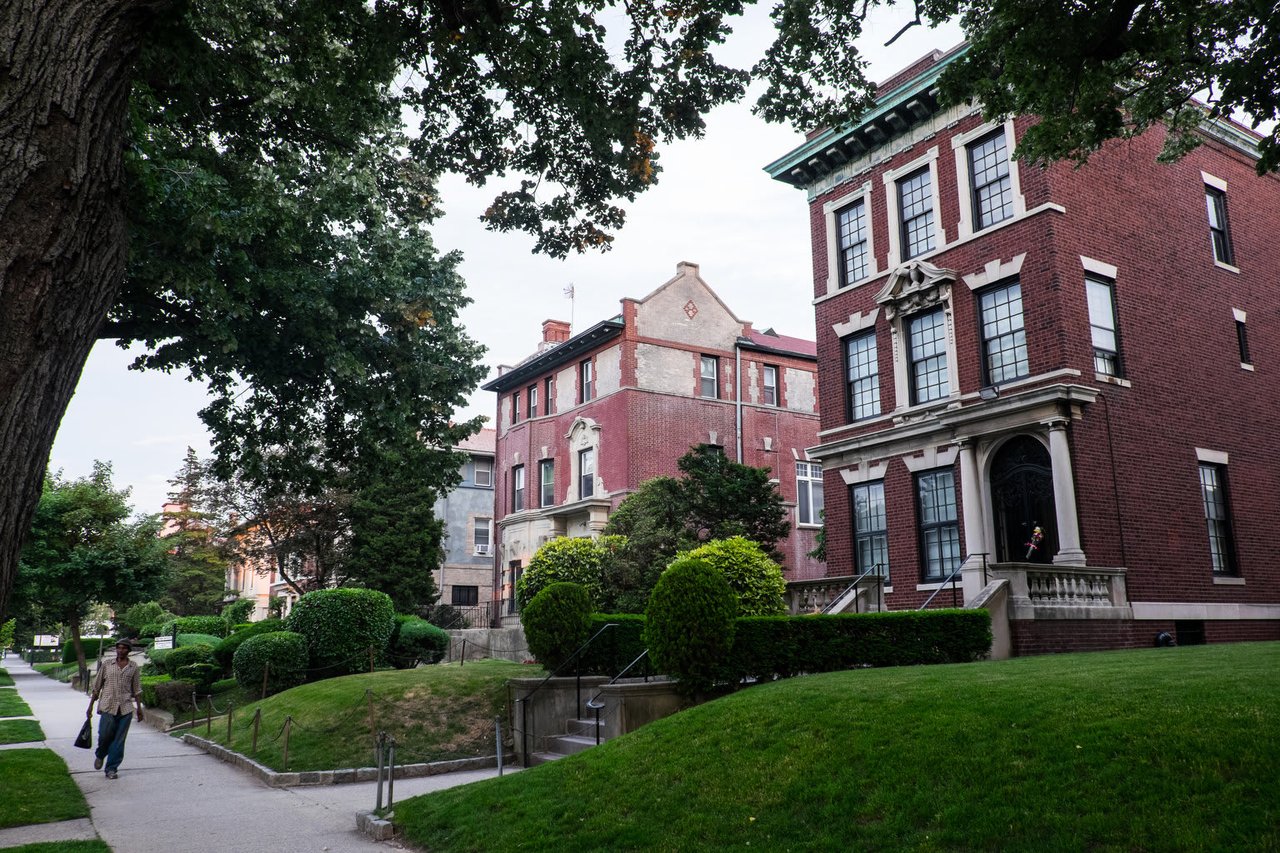
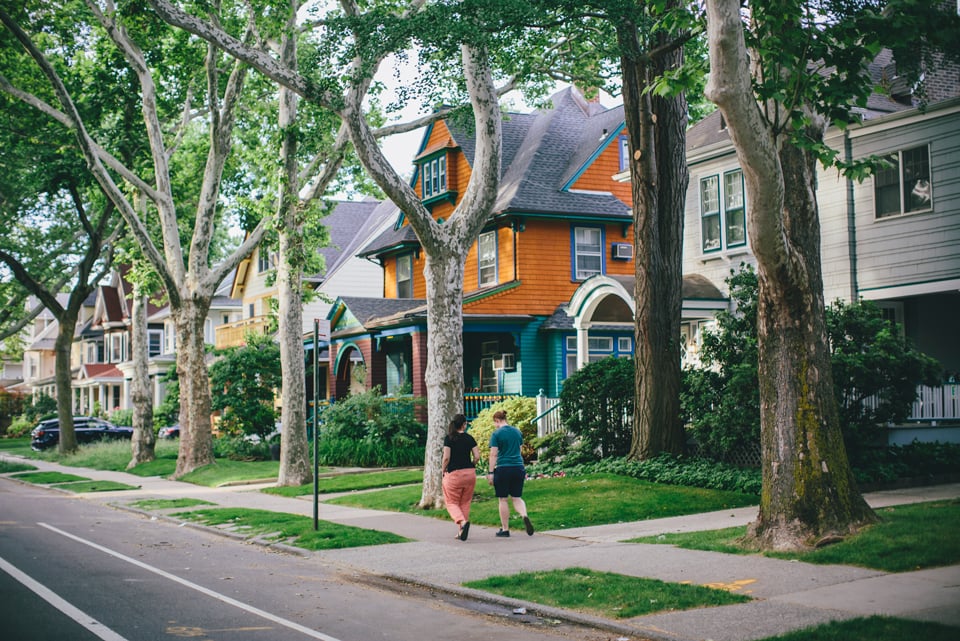
Brooklyn’s older neighborhoods were developed with walking, streetcars and public transit in mind, not private cars. That the streets are narrow, that many districts are landmarked and that rowhouse development is on steroids means not much room was left over for driveways and garages.
Today, the city strictly regulates parking additions through zoning laws and Department of Transportation approvals. This means parking cannot simply be “created” after purchase in most cases, and not every visible driveway or garage is legally recognized.
The Types of Parking Buyers Encounter
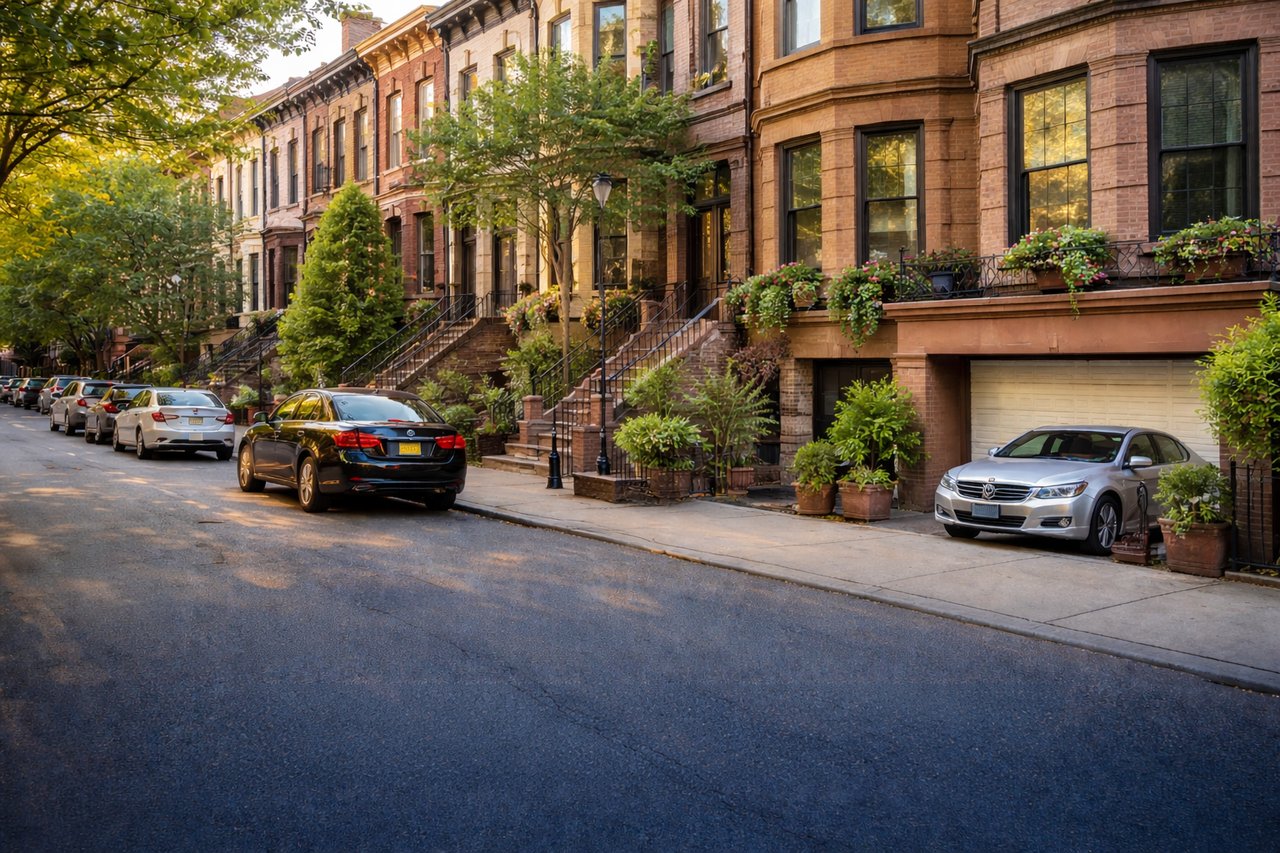
Private Garage
Most commonly found in newer townhouses, multi-family homes, or modern condo buildings. In older properties, garages should always be verified for legal use.
Driveway with Curb Cut
A curb cut must be approved by the city. These are more common in southern Brooklyn neighborhoods and are not automatically legal just because they exist.
Deeded Parking Space
Typically associated with condominiums, deeded spaces are legally tied to a unit or sold separately. These spaces often carry strong resale value.
Shared or Assigned Parking
In some buildings, generally co-ops or new developments. Rules and access differ by property and should be carefully reviewed.
Where Parking Is More Common in Brooklyn
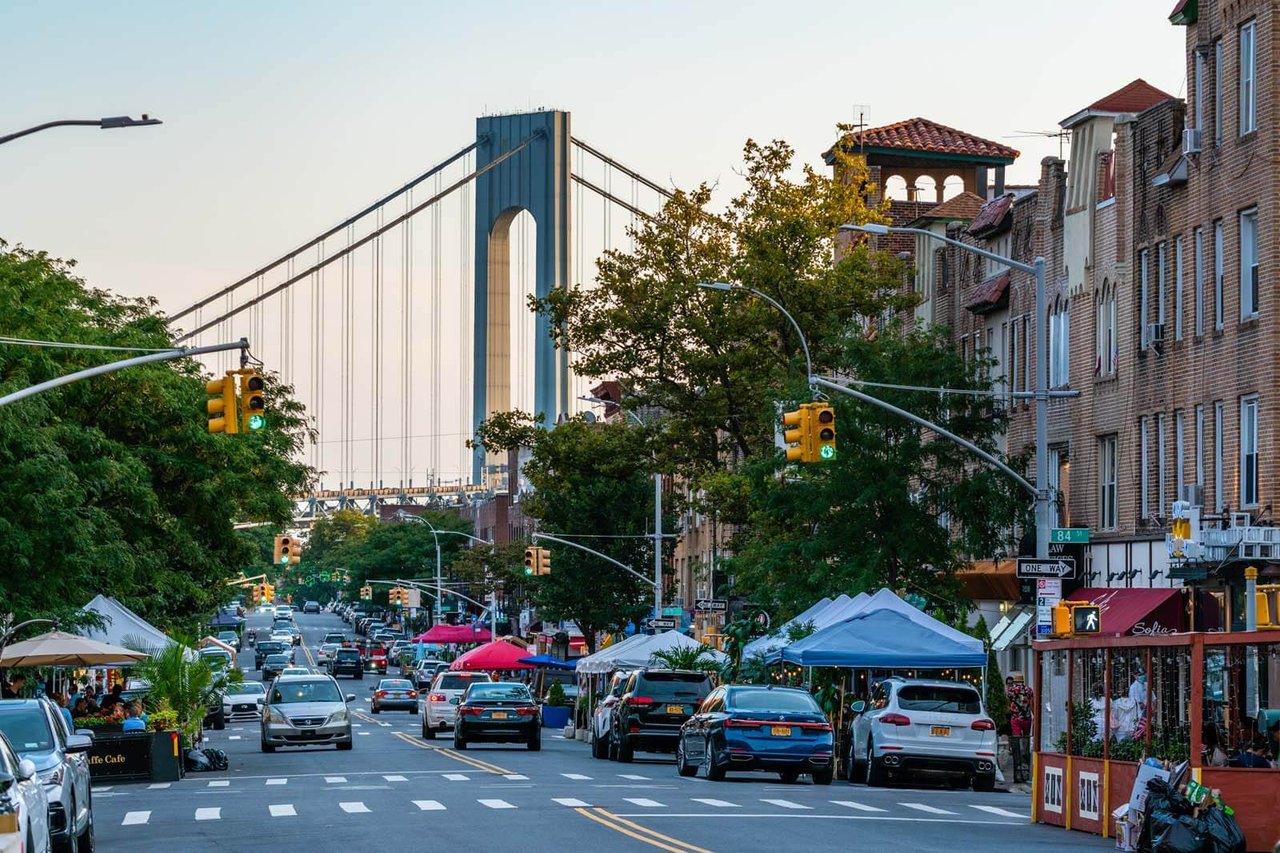
There is parking available throughout the borough, but it largely depends on how the neighborhood was built and what type of housing is found there. Some swaths of the city offer easier parking, such as:
• Bay Ridge
• Dyker Heights
• Bensonhurst
• Southern sections of Park Slope and Carroll Gardens
• Newer developments in Williamsburg and Downtown Brooklyn
Even within these areas, parking availability can vary significantly from block to block.
What Actually Makes Parking Valuable
Not all parking adds equal value. Status, access and selectiveness matter more than numbers. Private arrangements such as a legal garage or deeded space generally have better long-term value than the sort of shared, informal scenario described.
Parking is particularly important for buyers who expect to keep their home long-term or use a vehicle frequently, and in hot markets where convenience can be the determining factor in a purchase decision.
Common Misconceptions About Brooklyn Parking
• A visible driveway is not always legal
• Parking is not always included in the sale price
• Garages are sometimes storage-only under zoning rules
• Adding parking later is often restricted or impossible
Buyers should always confirm documentation before moving forward.
FAQs: Brooklyn Homes with Parking
Is parking worth paying extra for in Brooklyn?
For many buyers, yes, especially those with long-term plans or daily car use.
Can parking be added after purchase?
Rarely. City approval is required, and many properties do not qualify.
Is parking always sold with the home?
No. In condos, parking may be sold separately or assigned under building rules.
Which neighborhoods are most parking-friendly?
Bay Ridge, Dyker Heights, and Bensonhurst generally offer more options than central or northern Brooklyn.
Does parking improve resale value?
Legal, private parking often increases buyer demand and resale appeal.
Final Takeaway
Parking in Brooklyn is not an impossible task — but it’s complicated. Those who understand zoning rules, neighborhood patterns and property types are much better able to make informed choices. With realistic expectations and local knowledge, parking can be both a lifestyle advantage and long-term asset.