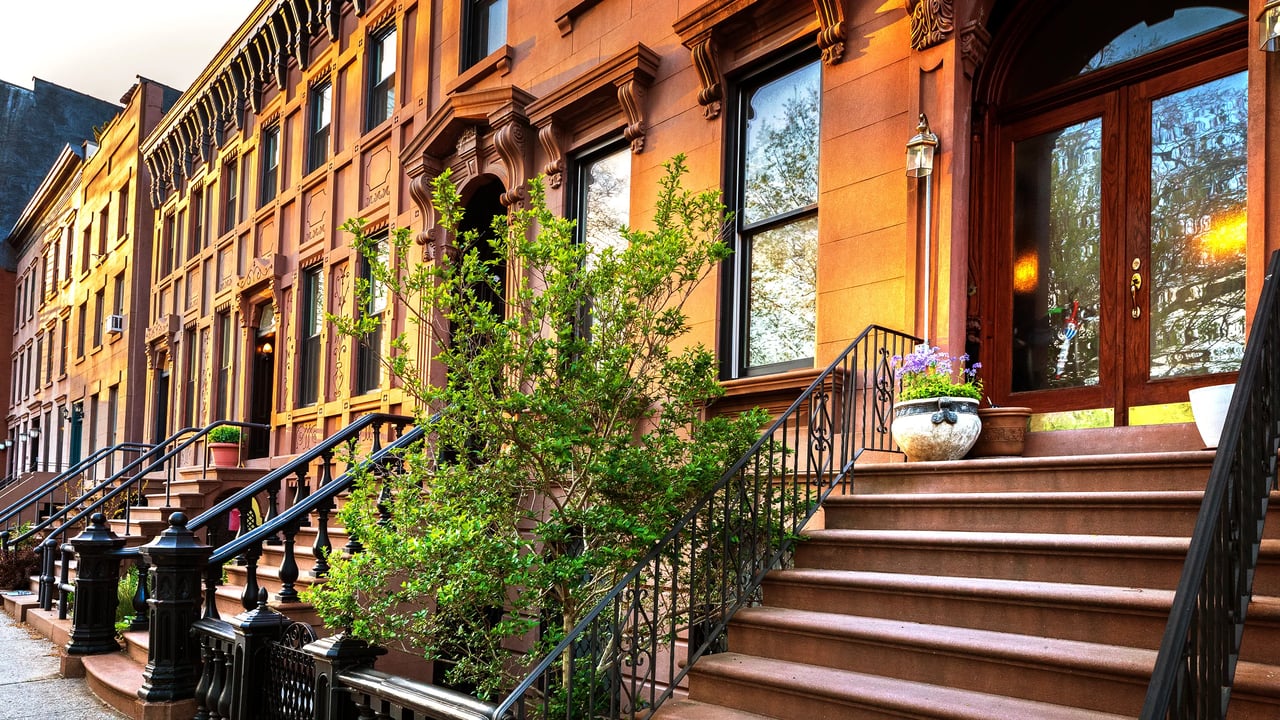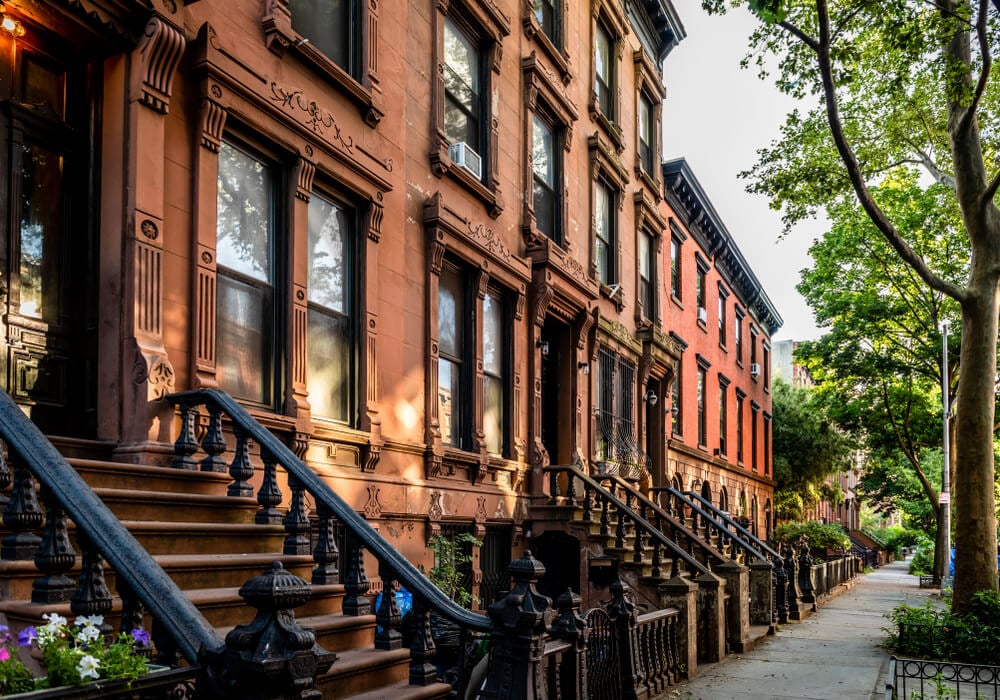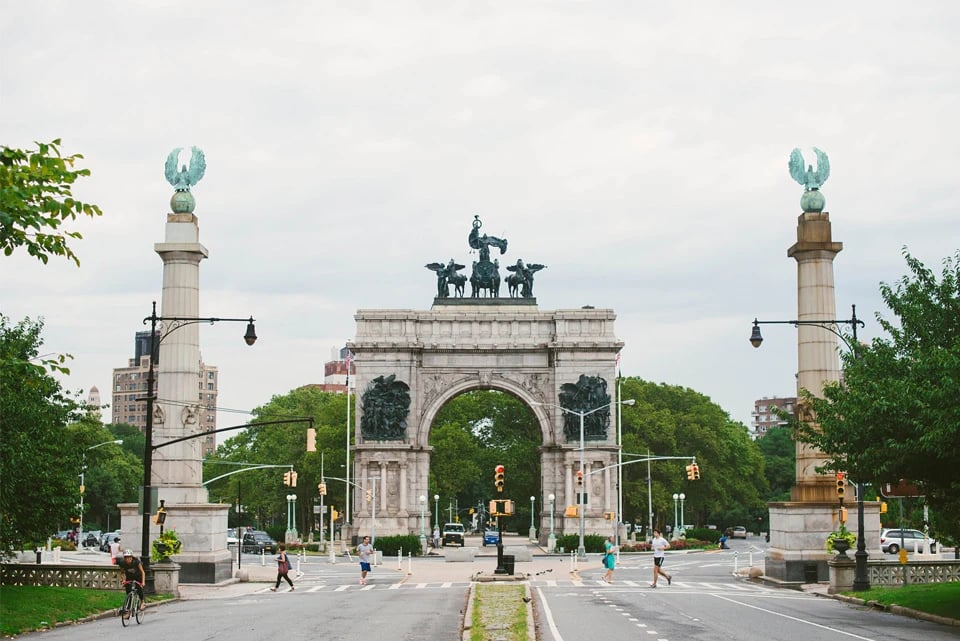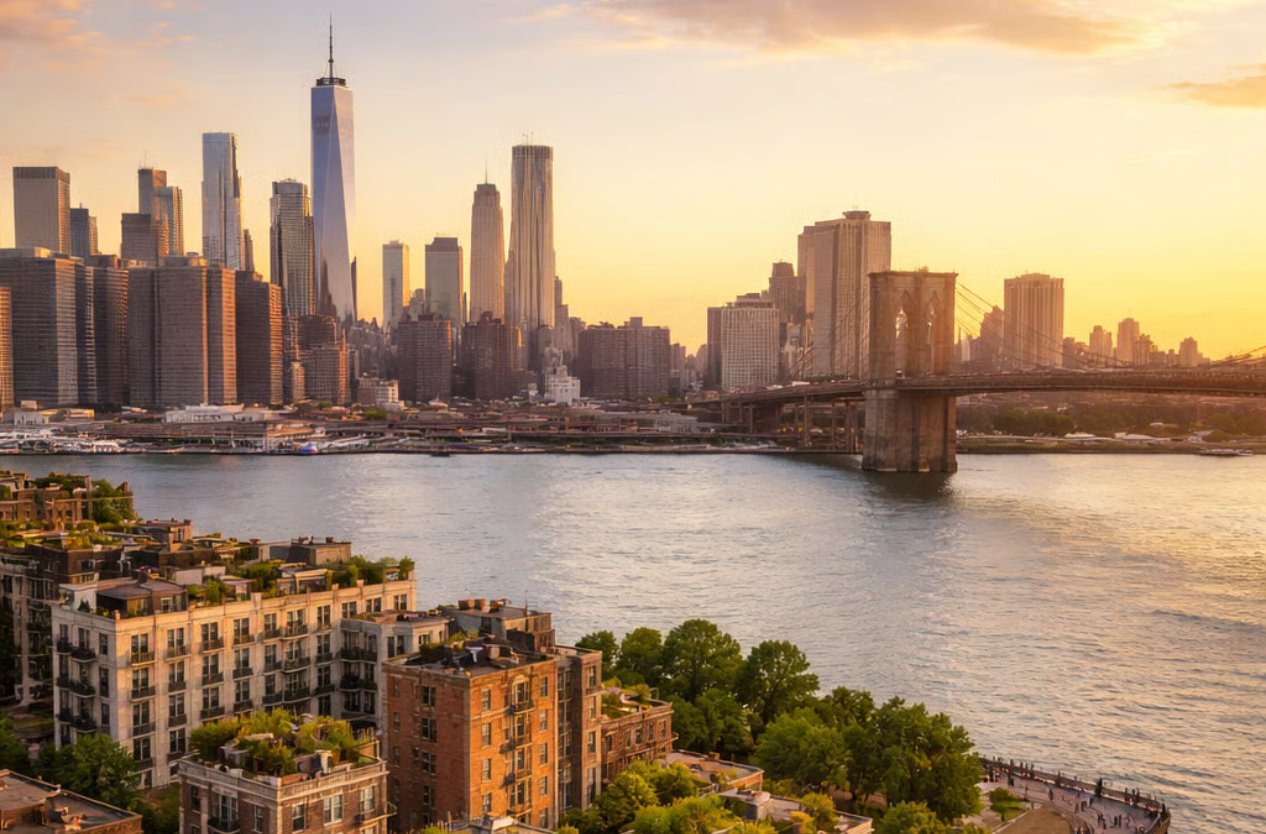
The views in Brooklyn just hit differently. It offers different landscapes depending on where you are. Residents can enjoy the Manhattan skyline, beautiful waterfront views, or even a private view of the parks. And if you’re buying, views aren’t just a bonus. They can shape how your home feels and play an important role in long-term value.
What actually creates a great view in Brooklyn?
Views here aren’t random. They come down to a few repeat ingredients, and you’ll start noticing them once you know what to look for:
-
Proximity to the water. Neighborhoods along the East River or New York Harbor naturally get the most dramatic panoramas, because there’s nothing “in the way” except sky and distance.
-
Elevation. Brooklyn isn’t flat. A modest rise in the land can turn an ordinary block into a surprisingly big-sky viewpoint.
-
Open space. Parks, promenades, and wider streets create long sightlines. That “breathing room” matters more than people think.
-
Development rules (and history). Landmark protections, height limits, and past planning decisions can preserve certain view corridors, sometimes for decades.
Put those together and you get pockets of Brooklyn where everything lines up: the water, the skyline, the light, the open space. It feels effortless when you’re standing there, but it’s usually the result of a lot of invisible factors.
Brooklyn neighborhoods with standout views
Brooklyn Heights
This is classic Brooklyn postcard territory. If you want the “I can’t believe I live here” skyline moment, this area is always in the conversation.
-
The Brooklyn Heights Promenade sits above the river with direct views of Lower Manhattan, the Brooklyn Bridge, and the harbor.
-
It’s a great mix of big and cozy: benches, trees, and brownstones behind you, and the whole city in front of you.
-
On a clear day, you can often pick out the Statue of Liberty and Governors Island in the distance.
For buyers, Brooklyn Heights has the added advantage of long-established protections in parts of the neighborhood that help keep certain sightlines more stable than they’d be elsewhere.
DUMBO
DUMBO’s views feel cinematic: bridges overhead, old industrial buildings, cobblestones, and then the skyline right where you want it.
-
Along the waterfront and Brooklyn Bridge Park, you get wide, open views of the Manhattan skyline plus the Manhattan Bridge.
-
The experience is layered in the best way: riverwalks, park space, art, and historic architecture all stacked against the skyline.
It’s one of those places where even a quick stroll can feel like a “main character” shot.
Williamsburg
Williamsburg’s waterfront delivers some of the strongest Midtown-facing views in the borough, especially at golden hour.
-
Parks, piers, and waterfront paths give you plenty of places to pause and actually take it in.
-
The view tends to shine at sunset, when the skyline starts reflecting warm light and the river looks like it’s holding it all in place.
From a real estate angle, frontage matters here. Apartments with truly direct waterfront exposure can carry meaningful premiums compared to similar units a few blocks inland.
Greenpoint
Greenpoint’s vibe is calmer, but the water-and-skyline payoff is real, especially along the northern edge.
-
The waterfront has long river views back toward Midtown.
-
Because so much of the neighborhood remains lower-rise, the openings toward the water can feel wider and less visually cluttered.
For buyers, it’s often a balance people like: a quieter neighborhood feel without giving up the “big city vista” factor.
Bay Ridge
Bay Ridge isn’t about the Midtown skyline first. It’s about harbor scale: water, wind, and bridges that feel enormous.
-
Shore Road Park and the 69th Street Pier put you close to the action with views of the Verrazzano-Narrows Bridge and ships moving through the harbor.
-
There’s something very grounding about watching the water there. It’s scenic without being “touristy.”
And yes, those higher points in the neighborhood can deliver sweeping slices of harbor that feel just as special as a skyline shot.
Sunset Park
Sunset Park is a sleeper hit for views. You don’t have to live right on the river to feel like you’ve got a front-row seat.
-
The neighborhood’s hilltop park looks out toward the harbor and the Statue of Liberty area, and you can still catch the skyline in the distance.
-
It’s one of the best “sit and stay awhile” viewpoints in Brooklyn, especially in the evening when the sky changes every five minutes.
For buyers, it’s a good reminder that elevation and open space can compete with waterfront in a big way.
Why views vary so much within the same neighborhood
Two listings can be on the same street and feel completely different. When you’re buying with a view in mind, it helps to look beyond the hero photo.
-
Floor level: Higher floors usually see over nearby buildings, but a mid-level unit facing a park or low-rise stretch can be more “future-proof.”
-
Orientation: West-facing can mean sunsets. North-facing might frame bridges or Midtown. East-facing often brings softer morning light.
-
Windows and outdoor space: Corner windows and bigger panes make a view feel wider. Balconies can be great, but even small layout differences change what you actually see.
-
What’s across the way: A view over a vacant lot can vanish fast. A view over water or protected parkland is usually safer.
Sometimes the “less dramatic” view is the better bet long-term.
Public views vs. private views (and why both matter)
Brooklyn’s best viewpoints aren’t always private, and honestly, that’s part of the charm.
Public views often come from promenades, parks, and waterfront walkways. Even if your apartment doesn’t have a skyline frame, living near these spaces can make a neighborhood feel more open, more walkable, and more special.
Private views depend on the details: your line in the building, your exposure, surrounding building heights, and how likely nearby sites are to redevelop.
A helpful mindset is to separate:
-
Neighborhood views: what you can enjoy five minutes from home
-
Apartment views: what you’ll see every day from your own windows
How the view changes by season and time of day
Brooklyn views are not one static picture.
-
Summer vs. winter: Trees can soften or partially block sightlines in warmer months, then open everything up again when leaves drop.
-
Light direction: Morning light is a totally different mood than late afternoon glow.
-
Night: Bridges and skyline lights can turn a “pretty nice” daytime view into something legitimately striking.
If a view is a major priority, it’s worth visiting at different times of day if you can.
How views affect real estate value
Views are emotional, and the market tends to price emotions.
-
Direct water, harbor, and skyline views often command higher prices and rents.
-
“Protected” views (over parks, promenades, or landmarked areas) usually hold their premium better because they’re less likely to disappear.
-
Not all view premiums are equal: a partial view can still add value, just typically less than a wide, unobstructed one.
Will the view last? What to check
This is the question people forget to ask until it’s too late.
A few things help you gauge long-term risk:
-
Landmark protections: In some areas, strict rules limit changes that could affect the streetscape and view corridors.
-
Zoning: Knowing what can be built nearby gives you clues about what might change.
-
Air rights: Development rights can be transferred in certain situations, allowing a building to grow taller than you’d expect.
-
Parks and water: Views over public space or the river are generally more predictable than views over developable lots.
A good agent can help you interpret what’s likely, what’s possible, and what’s just a scary-sounding hypothetical.
FAQs
Which Brooklyn neighborhoods offer skyline views?
Waterfront areas like Brooklyn Heights, DUMBO, Williamsburg, Greenpoint, plus some vantage points in Sunset Park and Bay Ridge, are known for strong skyline and water views.
Are views permanent?
Not always. New development, zoning shifts, and air rights transfers can change what you see, especially in areas without protections.
Are homes with views more expensive?
Most of the time, yes. Places with direct water, bridge, or skyline views usually cost more, especially if it’s a wide, unobstructed view that’s unlikely to disappear anytime soon.
Are the best views always waterfront?
No. Elevated areas (like Sunset Park) can deliver incredible outlooks without being right on the water.
Can public views increase neighborhood appeal?
Absolutely. Parks, promenades, and waterfront paths make a neighborhood feel more generous, which buyers respond to.
What should homebuyers confirm when buying for a view?
Buyers should look at local zoning, landmark status, and proposed developments nearby, and they should pay attention to unit orientation and floor level to understand how likely a view is to be maintained.
Final takeaway
The views in Brooklyn are a result of geography, history, and planning layered over time. Understand how water, elevation, open space, and development rules all interact, so you can look beyond first impressions. Choose a home whose view feels beautiful and has the best chance of staying that way in a competitive housing market.