Brooklyn is home to many diverse neighborhoods, all with their own parks and schools. People have various needs and wants, but some places are popular for a reason: They’ve figured out good ways to connect open space, daily services and neighborhood infrastructure. Knowing these factors can aid buyers on where locations are suitable to what they desire.
Instead of classifying neighborhoods by who hangs their hat there, this snapshot looks at the nuts and bolts, like open space, transportation options and access to services, that add up to quality of life in daily life across Brooklyn.
What Defines a Well‑Served Neighborhood
Neighborhoods with good living conditions often have some characteristics in common. These can include the distance to public parks and playgrounds, access to public and private schools, libraries and community centers.
Brooklyn Neighborhoods Known for Parks and Amenities
The next areas are often identified for their parks, schools and community resources:
Park Slope: Residential area near Prospect Park with multiple schools, libraries and healthy retail corridors that meets daily needs.
Windsor Terrace: Bands gain entry to Prospect Park, smaller parks within the neighborhood and a more residential character with local amenities.
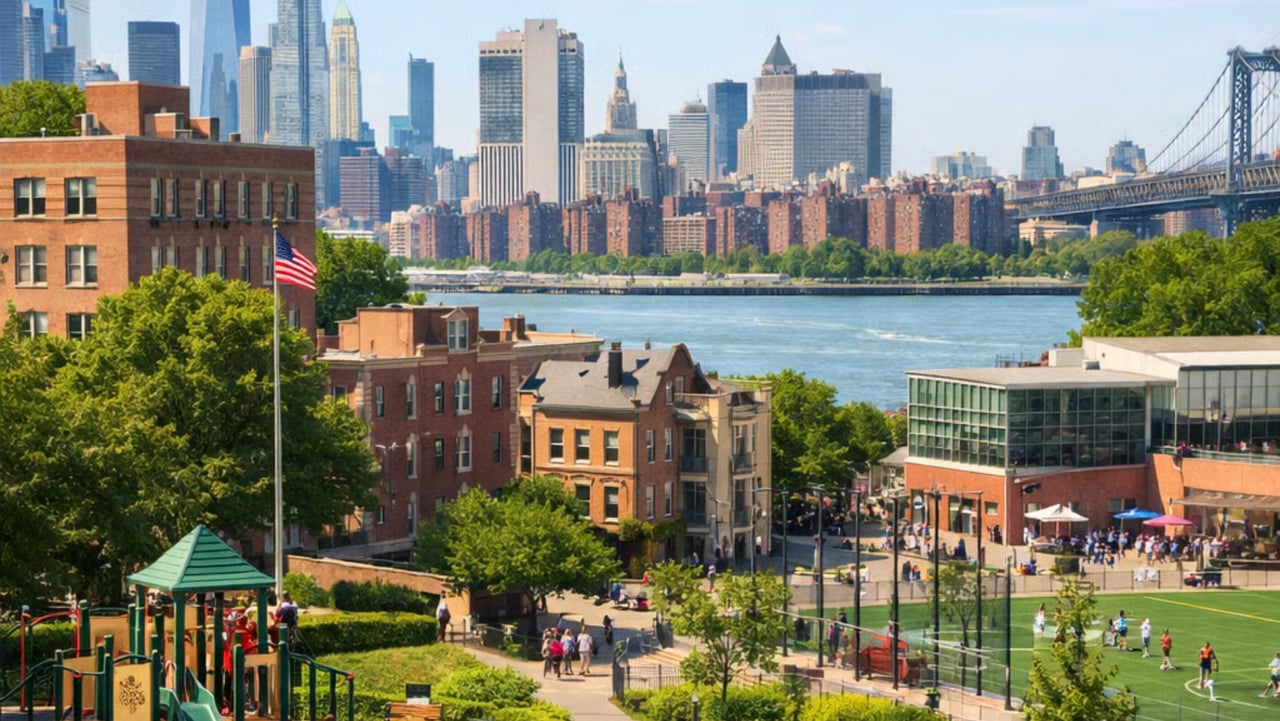
Bay Ridge: Includes waterfront parks and promenades, community centers, schools, along with local businesses on major avenues.
Carroll Gardens: With its pedestrian-friendly streets, neighborhood parks, nearby schools and access to community institutions.
Brooklyn Heights: Includes access to waterfront promenades, public parks and cultural institutions and is close to the subway.
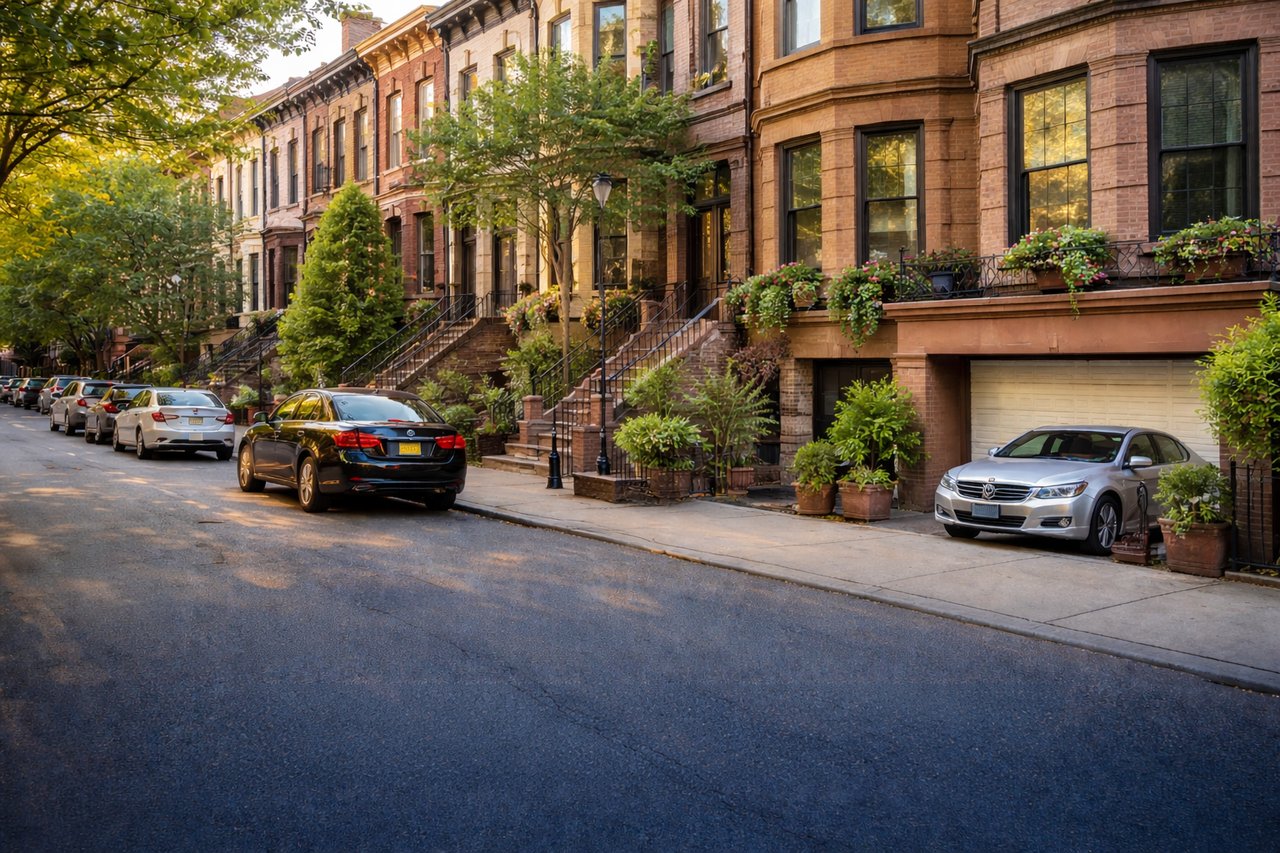
Ditmas Park: Recognized for tree-lined streets, proximity to multiple schools, and access to nearby parks and services.
Each of these neighborhoods offers a different mix of amenities, making it important to evaluate location based on individual needs rather than general reputation.
The Role of Parks and Open Space
Access to parks and open space is a major factor in choosing a neighborhood. Parks and waterfronts provide recreational activities to residences. People prioritize homes near parks primarily seeking a blend of nature, recreation, and community connection in their daily lives.
Schools and Access to Education
Brooklyn provides a large option of public, and private schools, as well as libraries and educational programs. School availability and zoning vary by address, and buyers are encouraged to research current district boundaries and enrollment policies when comparing schools.
Community Features and Mobility
Recreation centers, grocery stores or healthcare facilities enhance the neighborhood functionality. The proximity to subway lines, buses and bike infrastructure helps with mobility and convenience. These are also factors that frequently affect housing demand and turnover.
Real Estate Considerations
Communities with access to parks, schools and other amenities tend to attract a steady buyer interest. Although, buyers must consider that prices, housing stock and development patterns can differ widely in the same neighborhood. Buyers should also factor in building type, zoning and future development plans when looking at their choices.
A Practical Approach to Neighborhood Selection
Brooklyn neighborhoods provide green space, access to education and services. Considering the actual details instead of taking them for granted can empower buyers to make smart decisions that reflect their lives and long-term plans.
Frequently Asked Questions
What are the Brooklyn Neighborhoods with the most access to park space?
Living near Prospect Park and along Brooklyn’s waterfront usually gives you greater access to large public green spaces in the borough, though smaller parks and playgrounds are scattered around.
Do neighborhoods with more amenities cost more?
Neighborhoods with more amenities could see higher demand, but pricing depends on the type of housing and the neighborhood, and how competitive those markets are right now.
Are the same schools available to all areas of a city or county?
No. Availability of school and zoning may also vary by location and policy can change. Independent research is recommended.
How should buyers evaluate neighborhood amenities in Brooklyn?
Buyers often consider access to public parks, transportation, and local services. Assessing how these amenities fit with your preferred daily schedule, commuting requirements and long-term goal can also provide a clue as to which areas might suit you.