Every year, as the days finally get longer and the winter cold fades, the "For Sale" signs start blooming alongside the daffodils. As the popular narrative goes, spring is the golden hour to sell. Several months later, after Labor Day, the process repeats for the autumn rush.
Broadly speaking, that’s true. If you look at the aggregate data for NYC, deal activity rises in the first half of the year, cools for summer vacations, and ramps back up in September.
But if you are basing your entire strategy on that general curve, you might be missing your moment.
We analyzed more than 15 years of contract activity across Manhattan and Brooklyn—drilling down to the neighborhood, property type, and price tier. The result? Real estate seasonality in New York City isn't one-size-fits-all. It’s not even borough-wide. It is hyper-local.
Here is why the "Spring/Fall" rule of thumb might be costing you money.
The "General" Trend vs. Your Reality
The standard logic—listing in April or October—is safe, but safe doesn't always mean optimal.
When we look at the macro view, the market follows the weather and the school calendar. Activity peaks in late spring, dips after Memorial Day, and hides during the holidays. However, relying on this macro view is like checking the weather in "North America" to decide if you need an umbrella in Brooklyn Heights. It’s too broad to be useful.
Our data dig revealed that specific sub-markets have their own unique circadian rhythms.
The Condo vs. Townhouse Split
One of the most striking findings from our 15-year analysis is the divergence between property types.
If you are selling a Downtown condo, the data suggests an earlier start. Activity here tends to peak in March. Buyers in this segment are often professionals moving fast, looking to secure a spot before the summer distraction hits.
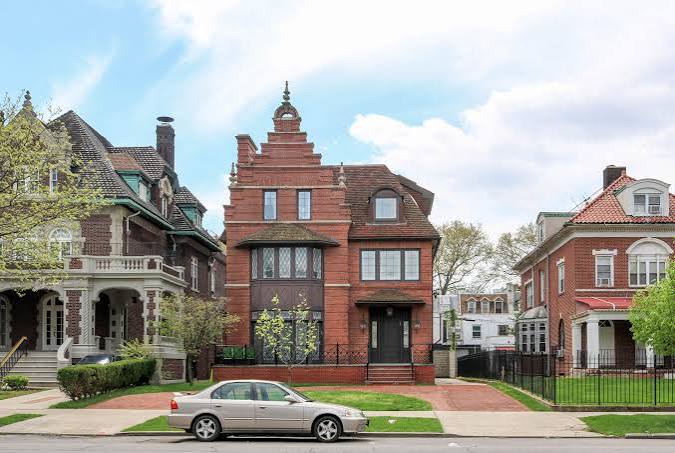
Contrast that with Brooklyn townhouses. The conventional wisdom says real estate dies in the summer. Yet, the data shows these properties often see activity heating up in July.
Why the difference?
It likely comes down to buyer intent. The townhouse buyer is often a family or an end-user planning a significant lifestyle shift. They aren't just buying a unit; they are buying a school district, a backyard, and a long-term home. They may use the "quieter" summer months to make serious life decisions while the competition is away in the Hamptons.
Location, Location, Timing
The nuance goes even deeper than property type. Neighborhoods themselves have different pulses.
A starter apartment in a transit-heavy neighborhood might move fastest in early spring when the job market shuffles. Meanwhile, a luxury waterfront property might see its best offers when the weather is best—showcasing the view and outdoor space—regardless of the "standard" selling months.
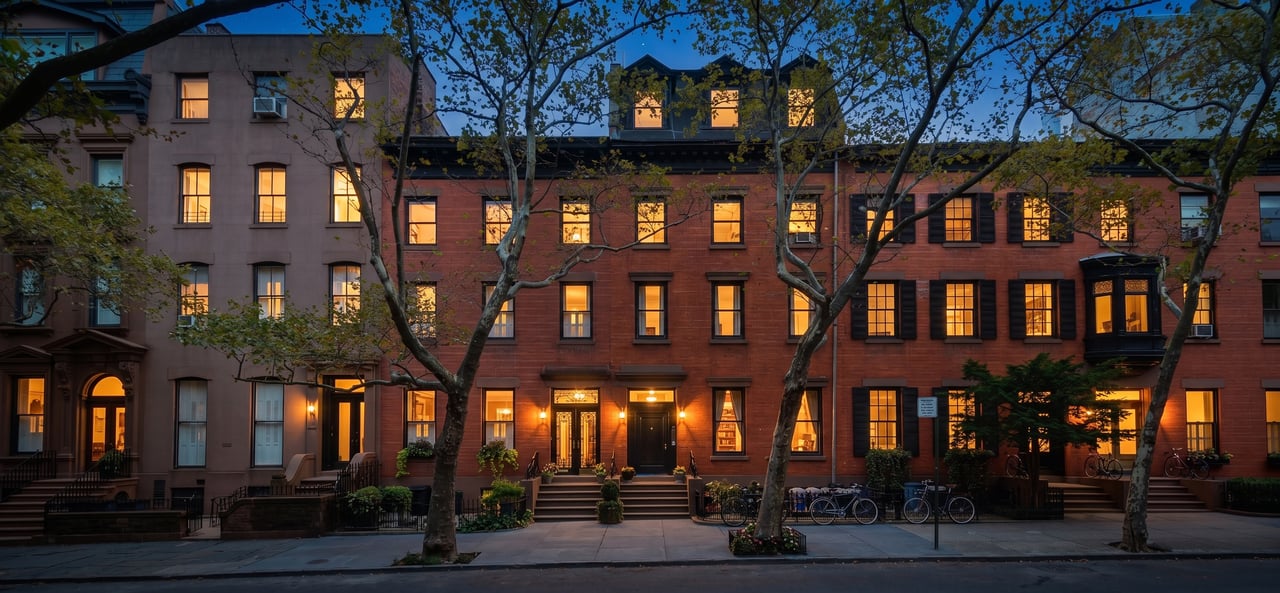
If you treat a Bed-Stuy brownstone the same way you treat a Midtown pied-à-terre, you are ignoring the fundamental motivations of the specific buyer pool for that asset.
How to Use This Data to Your Advantage
Whether you are buying or selling, moving against the herd—or at least understanding the real movement of your specific herd—is a massive advantage.
For Sellers:
Don't panic if you miss the "Spring Window." If you own a specific property type (like that Brooklyn townhouse), your peak window might actually be the summer. Consult with a strategist who looks at your specific neighborhood data, not just national headlines.
For Buyers:
If the data shows Downtown condos peak in March, that is when you will face the bidding wars. You might find your leverage in the off-peak months where the specific inventory you want usually sits longer.
The Bottom Line
Real estate is human, and humans are predictable—but they are predictable in complex ways.
The "Spring and Fall" story is a nice, clean narrative, but it glosses over the friction and opportunity of the actual market. By respecting the hyper-local nature of Brooklyn and Manhattan real estate, you can stop timing the market based on myths and start timing it based on math. Ready to make your move? ►Let's talk!