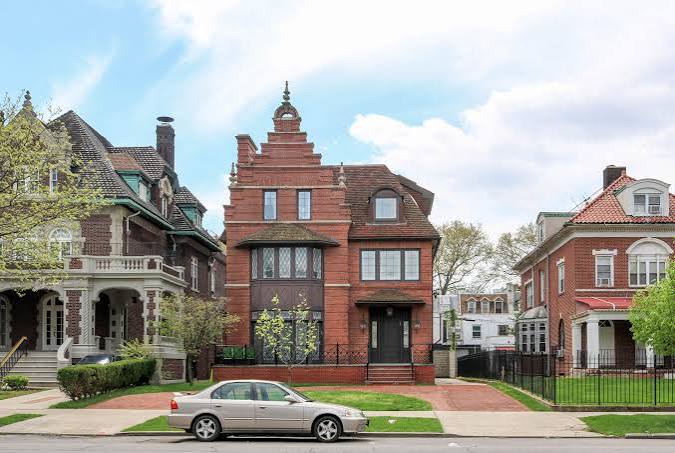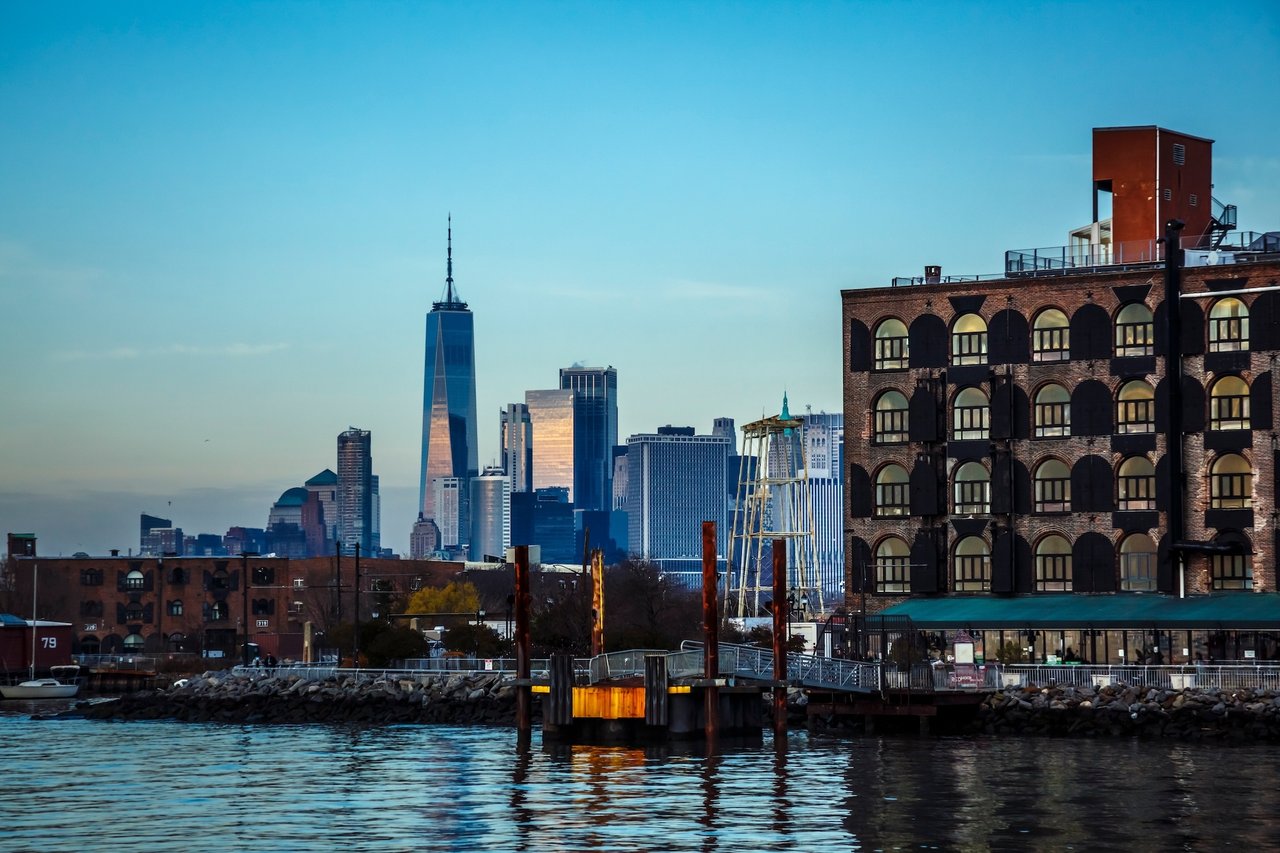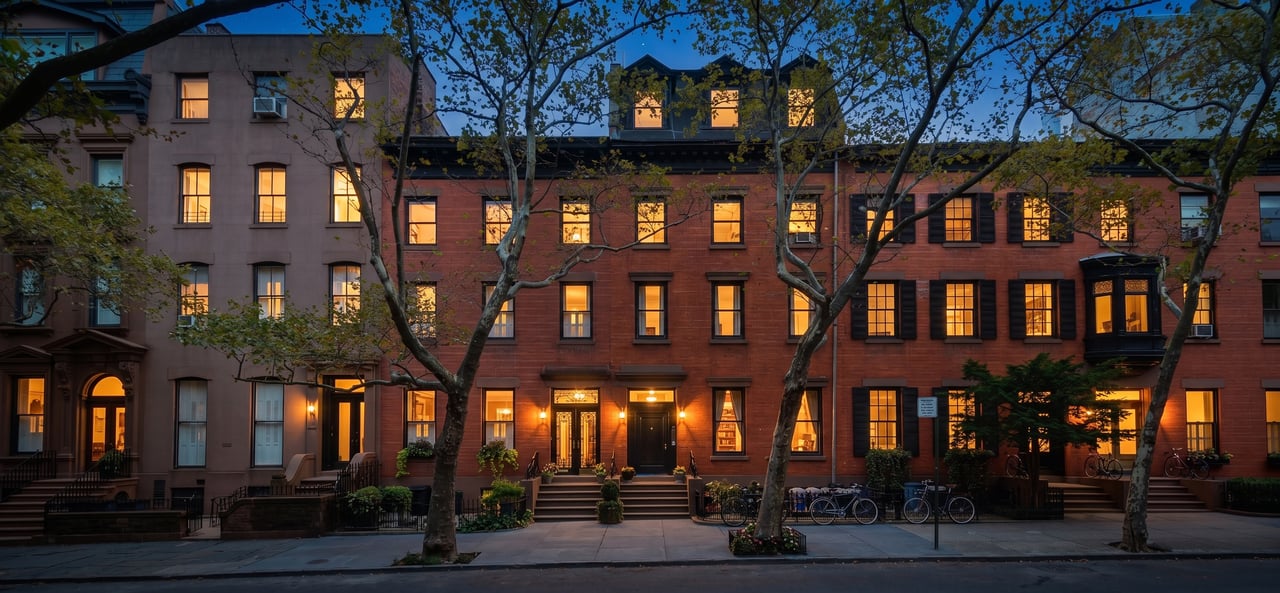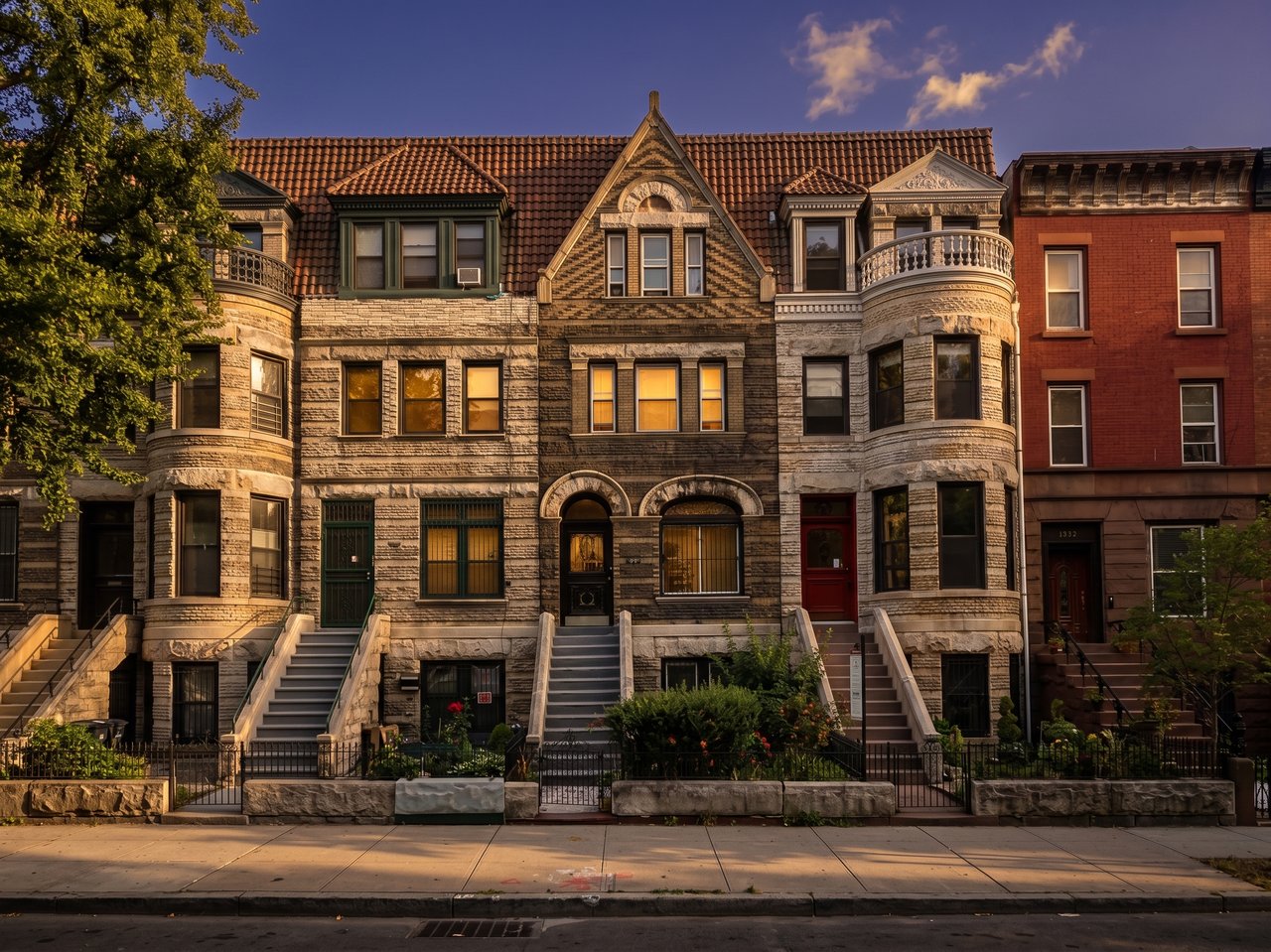
Crown Heights sits in the center of Brooklyn, bounded roughly by Eastern Parkway to the north, Clarkson Avenue to the south, Washington Avenue to the west, and Ralph Avenue to the east. It is one of the larger neighborhoods in the borough, with a housing stock that ranges from prewar townhouses and brownstones to mid-century co-ops and newer condos.
Buyers come here for value relative to neighborhoods to the west, proximity to Prospect Park, and the 2/3/4/5 express trains that make midtown Manhattan accessible in under 30 minutes. Inventory is broader than in many South Brooklyn neighborhoods, which gives buyers more options but also requires more selectivity.
What the Crown Heights Market Looks Like
Active inventory in Crown Heights typically runs 18 to 28 listings at any given time, spanning a wide price range. As of September 2026, the market is active, with well-priced properties moving within 30 to 45 days.
Townhouses and rowhouses trade between $1.2M and $2.5M or more for renovated homes. Co-ops remain the most affordable ownership option in the neighborhood, with one-bedrooms available below $300K in some buildings. Condos have grown in number and generally price between $650K and $950K for one- and two-bedroom units.
The price per square foot varies significantly by property type and block. Buyers should avoid treating the neighborhood as uniform; a renovated rowhouse on a strong block near the park will command a meaningful premium over an unrenovated property further east.
Property Types in Crown Heights
Townhouses and rowhouses are the most sought-after properties. The blocks closest to Prospect Park and Eastern Parkway, particularly in the northwest section of the neighborhood, tend to attract the most competition. A fully renovated two-family on a good block can push toward or above $1.5M. Unrenovated properties offer value for buyers who can take on a project.
Condos are newer to the neighborhood. Buildings delivered in the last 5 to 10 years offer modern finishes, amenities, and in some cases outdoor space. Common charges and taxes vary by building and should be underwritten carefully.
Co-ops are concentrated in mid-century buildings throughout the neighborhood. They offer the lowest price points in Crown Heights, but buyers need to budget for board approval timelines (often 60 to 90 days), understand sublet restrictions, and review building financials before going to contract. Maintenance fees vary significantly by building.
Buyer Strategy in Crown Heights
Block selection matters more here than in neighborhoods with uniformly strong blocks. The northwest section, between Washington and New York Avenues, north of Empire Boulevard, is the most competitive and most expensive. Moving east or south generally means more inventory, longer days on market, and more room to negotiate.
For townhouses, structural and mechanical due diligence is essential. Many properties have been through multiple conversions and renovations over the decades. A thorough inspection should cover the foundation, roof, plumbing, and any work done without permits. DOB records are public and worth reviewing.
For co-ops, request financials, board meeting minutes, and the house rules before making an offer. Buildings with thin reserves or a history of special assessments are worth scrutinizing carefully.
Getting Around Crown Heights
The 2 and 3 express trains stop at Eastern Parkway-Brooklyn Museum and at Crown Heights-Utica Avenue. The 4 and 5 also run through the neighborhood. The C train serves the southern and western portions. For buyers commuting to midtown Manhattan, the express stop at Eastern Parkway puts you in Grand Central in under 30 minutes on most mornings.
Buses cover the crosstown routes. Eastern Parkway is wide and well-served. Cycling is practical throughout the neighborhood; the streets are relatively flat, and side streets carry low traffic. Car ownership is common but not necessary for most buyers here.
Prospect Park is walkable from the northwestern portion of Crown Heights, and the park loop provides a dedicated bike and running path. The Brooklyn Museum, Brooklyn Botanic Garden, and the main branch of the Brooklyn Public Library are all within a short walk of the Eastern Parkway corridor.
Families and Schools in Crown Heights
Crown Heights has a solid mix of public and charter school options. PS 9, PS 138, and PS 316 serve different sections of the neighborhood. The Brooklyn Children's Museum on Brooklyn Avenue is a neighborhood anchor for young families. Brower Park, just south of Eastern Parkway, has fields, courts, and a recreation center.
Success Academy Crown Heights, a charter school, has a strong academic reputation and typically operates with a waitlist. Many families in the northwest section of the neighborhood also look at schools in adjacent Prospect Heights, which has its own strong options.
The neighborhood has attracted young families in meaningful numbers over the past decade, which has affected the residential market. Single-family and two-family brownstones with private outdoor space have drawn buyers who prioritize space per dollar over proximity to commercial corridors.
Blocks and Corridors Worth Knowing
The blocks of Crown Street, Carroll Street, and St. Johns Place between Washington and New York Avenues are among the most sought-after for brownstone buyers. These sit close to Prospect Park and attract buyers who want park proximity without the Prospect Heights price premium.
Dean Street and Bergen Street have also seen strong buyer interest. Kingston Avenue is the neighborhood's primary commercial corridor for specialty food, cafes, and local retail. Nostrand Avenue, running north-south through the center of the neighborhood, has seen significant commercial reinvestment in recent years.
Franklin Avenue at the western edge of the neighborhood borders Prospect Heights and has a dense concentration of restaurants and bars. Buyers looking at the blocks immediately adjacent to Franklin should compare pricing in both neighborhoods before narrowing their search.
What Due Diligence Looks Like in Crown Heights
For brownstones and rowhouses, a general home inspector is a starting point but not a finish line. Structural engineers are worth the added cost, particularly for buildings that show signs of foundation settling or previous work on the cellar. DOB violation records are public and should be reviewed before making an offer; unpermitted work in the cellar or on roof additions is common and can affect financing and resale.
For multi-family properties, get rent rolls and copies of all leases before going to contract. Crown Heights has a significant rental population, and understanding tenant rights, lease terms, and vacancy status is essential to underwriting the purchase correctly. Some sellers price without reflecting tenant constraints; buyers need to do their own math.
For co-ops, request three years of financials, board meeting minutes from the past two years, house rules, and maintenance history. Board approval timelines and requirements vary considerably from building to building. Monthly charges in some Crown Heights co-ops include underlying mortgage contributions, which affects the true carrying cost relative to the posted maintenance figure.

Fouad Rahmé
Founder, the Rahmé Team at Compass
The Rahmé Team advises buyers, sellers, investors, and developers across Brooklyn, with 40 years of combined experience, more than 1,000 clients and transactions, and over $800 million in career sales. RealTrends Verified ranks the team in the top 1.5% of real estate professionals nationwide.
Contact the team or call (718) 233-3365.
Frequently Asked Questions
How does Crown Heights compare to Prospect Heights?
Prospect Heights trades at a premium, particularly on blocks near Grand Army Plaza and Vanderbilt Avenue. Crown Heights offers more inventory and lower entry prices for similar building types, with a transit advantage through the express train access on Eastern Parkway. The tradeoff is that Crown Heights has more variation by block, so location selection within the neighborhood matters more.
What is the rental income potential on a Crown Heights two-family?
A well-configured two-family in Crown Heights can generate $3,500 to $5,500 per month in rental income depending on unit size, renovation level, and location. Buyers should verify whether existing tenants are market-rate or have stabilization protections before projecting income. A real estate attorney should review all leases prior to closing.
How long does a Crown Heights co-op board approval take?
Most Crown Heights co-op boards complete the approval process within four to eight weeks of receiving a complete application package. Requirements vary by building; some boards require interviews, others do not. Buyers with straightforward financial profiles and strong references typically move through the process without complications.
Is Crown Heights suitable for buyers looking for outdoor space?
Yes. Many Crown Heights brownstones and rowhouses include a rear yard, and some have parlor-level decks. Prospect Park is a short walk or bike ride from the northwestern section of the neighborhood. For buyers who prioritize outdoor access, the blocks closest to the park and Eastern Parkway tend to offer the best combination of price and proximity.
What should buyers know about the Crown Heights co-op board process?
Crown Heights co-op boards vary in selectivity. Most require a complete financial package including tax returns, bank statements, a reference letter, and an employment verification. Some boards cap the debt-to-income ratio or require a certain percentage of liquid assets post-closing. Buyers should ask their attorney to review the house rules before going to contract, and confirm whether the building allows subletting and under what conditions.
Working with Fouad Rahmé in Crown Heights
Fouad Rahmé works with buyers throughout Crown Heights, Bedford-Stuyvesant, Prospect Heights, and surrounding neighborhoods. If you are preparing to buy in Crown Heights, he can help you understand what is available, what is realistic for your budget, and how to structure a competitive offer in a fast-moving market.
Competing in the Crown Heights Market
Crown Heights moves faster than many buyers expect. Well-priced townhouses and brownstones in good condition attract multiple offers, sometimes within days of listing. Getting pre-approved before you start looking is not optional - sellers will not engage seriously with an unverified buyer, especially when other offers are already on the table.
Offer strategy matters beyond price. Sellers weigh inspection contingency periods, financing contingency timelines, and closing flexibility when evaluating multiple bids. Buyers who understand what sellers actually care about - not just what number to write - tend to win competitive situations more often.
Crown Heights also has a significant number of off-market opportunities, particularly for townhouses. Working with an agent who has a network in the neighborhood can surface deals before they hit the open market.
Financing a Crown Heights Purchase
For townhouses and larger condos, jumbo loan territory begins quickly. Many Crown Heights properties price between $1.5M and $3M, which requires lenders experienced with New York City jumbo financing. Get this lined up early - a pre-approval letter that does not reflect jumbo capacity will not hold up under scrutiny.
For multi-family properties, lenders underwrite the building's rental income and condition alongside the borrower's financials. Understand the debt service coverage requirements before making an offer on an income property.
For co-ops, which are less common in Crown Heights than in some other Brooklyn neighborhoods, board approval adds time and process. Review the building's financials and subletting policies before going to contract.
How Crown Heights Has Changed, and What Stays the Same
Crown Heights buyers in 2026 are entering a neighborhood mid-transition. The Franklin Avenue corridor has absorbed significant new development over the past six years, and boutique condo buildings that were once selling at $800 per square foot now target $950 to $1,050 on resale. At the same time, the historic rowhouse stock, particularly on blocks closest to Prospect Park, has held its character while appreciating consistently. These are two different markets operating in parallel within the same neighborhood boundaries.
The co-op inventory is a third category that deserves more attention than it typically gets. Pre-war co-ops in Crown Heights trade between $300,000 and $550,000 for one- and two-bedrooms, and many of them have well-capitalized boards and stable monthly maintenance. For buyers who qualify for co-op purchase and plan to stay five or more years, the co-op entry point represents the strongest value-to-quality ratio in the neighborhood.
Crown Heights vs. Prospect Heights and Flatbush
Buyers comparing Crown Heights with Prospect Heights are typically looking at a price differential of 15 to 25 percent on equivalent product. Prospect Heights, particularly along Vanderbilt and the blocks nearest Grand Army Plaza, trades at a premium that reflects proximity to the park and the density of restaurants and retail along Flatbush Avenue. If the Prospect Heights premium is out of range but the Brooklyn Museum, Lincoln Terrace Park, and the 2/3/4/5 transit access in Crown Heights meet your needs, the tradeoff is clear.
Flatbush is often overlooked by buyers who start in Crown Heights but should be. The housing stock is comparable in quality, the blocks are wide, and prices can run 10 to 20 percent below Crown Heights for similar property types. The neighborhood has absorbed substantial investment over the past four years and represents one of the more compelling value arguments remaining in the central Brooklyn market.
What to Know About the Crown Heights Condo Market
The newer condo buildings along Franklin Avenue and the streets closest to Eastern Parkway have created a larger and more liquid resale market than Crown Heights had five years ago. Monthly common charges on newer buildings run high: $800 to $1,200 per month on two-bedrooms is common, and buyers should underwrite those costs carefully against their financing.
Buildings that converted from rental to condo between 2019 and 2022 occasionally have unit owners who never occupied and who are now selling as investors. These units are sometimes priced correctly and sometimes not; the key is getting an accurate read on the building's reserve fund and any deferred capital projects before making an offer.