Where history feels like home.
Harlem is known as an important touchpoint of American jazz, literature, and civil rights history. And for good reason: major streets like Adam Clayton Powell Jr. Blvd., Malcolm X Blvd., and Martin Luther King Jr. Blvd. pay homage to civil rights leaders that actually walked those passageways. Meanwhile, venues such as The Apollo Theater, Hotel Theresa, and Sylvia’s Restaurant stand as iconic landmarks frequented by both history buffs and culture seekers alike.

What To Expect:
A quiet residential scene in the midst of a bustling culture hub.
Unlike many other tourist and commuter-friendly Manhattan neighborhoods, life in Harlem can feel as quiet as it does connected to the rest of the city.

On one hand, there’s a peaceful, residential spirit throughout the neighborhood, evidenced by street pick-up basketball games and block parties.

But Harlem is also home to a thriving cultural scene, which brings a constant vibrancy and excitement to the neighborhood.

The Lifestyle:
Soulful. A community-oriented atmosphere defined by music, food and cultural events.
Life in Harlem is as rooted in cultural tradition as it is energized and eclectic. In the last decade, restaurants like Red Rooster, Harlem Tavern, and Harlem Shake have reinvented a dining scene traditionally defined by soul food icons like Sylvia’s and Amy Ruth’s.


Music is another of Harlem’s greatest uniting traditions, and has left a legacy that is preserved proudly throughout the neighborhood.

The music scene spans from huge, iconic jazz lounges to small neighborhood bars. Burgeoning hip-hop artists are known for making occasional appearances at dance clubs where they grew up.

Harlem’s flair for the performing arts is best represented by the Apollo Theater, which originally opened as a dance hall and ballroom in 1913. Ella Fitzgerald, Aretha Franklin, and The Jackson 5 played their “Amateur Nights”, while Showtime at the Apollo and musicians such as James Brown, B.B. King, and Paul McCartney solidified the venue as a timeless entertainment landmark.

Outside of entertainment, a deep tradition of activism and civic pride continues to speak to Harlem’s reputation for community awareness.

The community feels most alive during the summer, when Harlem’s many parks are abuzz with children, picnics, and live music festivals.

Baseball diamonds, an open bandshell, and local music acts make Jackie Robinson Park a natural gathering spot, while Marcus Garvey swimming pool, St. Nicholas Park, and other public plazas are beloved by athletes of all ages.


The Market:
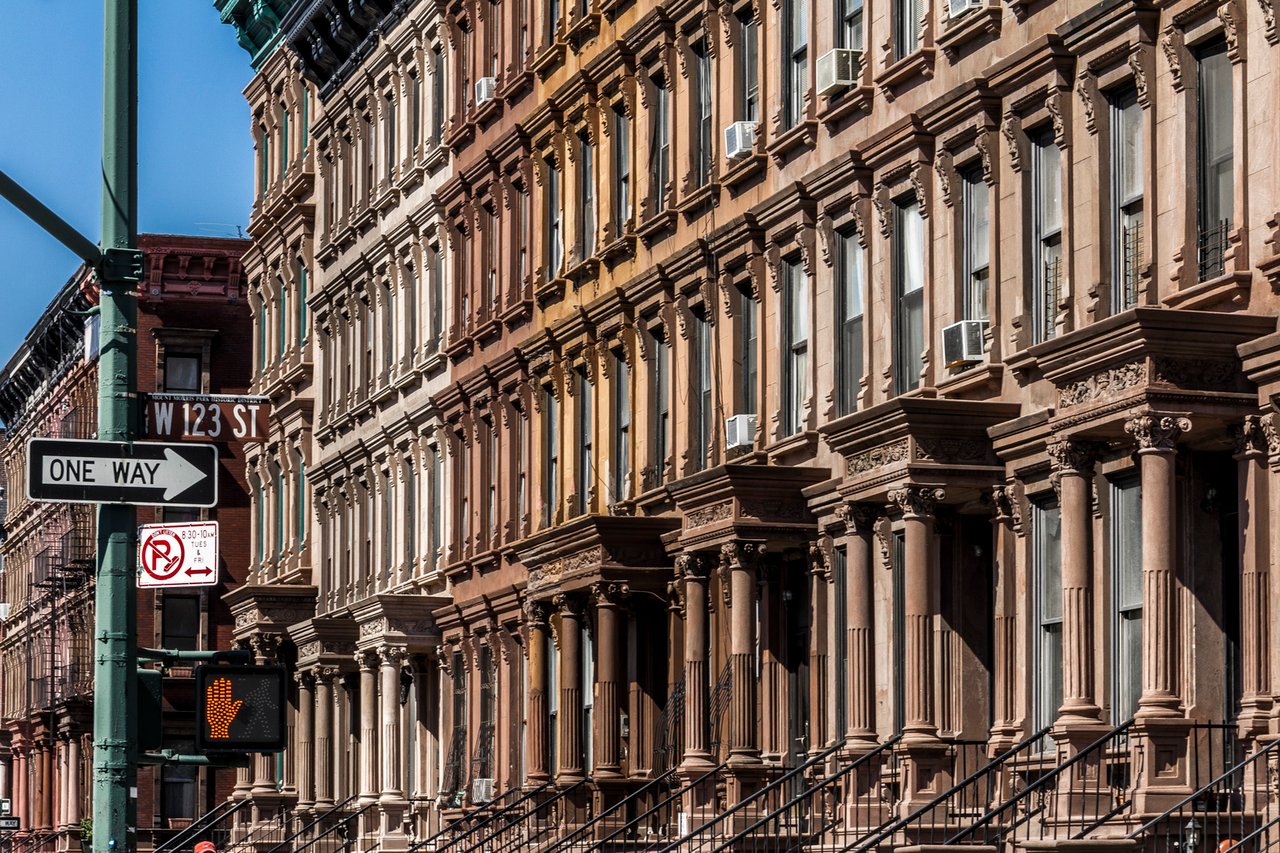
Affordable nineteenth century apartments and brownstones are becoming more competitive, and new developments are popping up throughout the neighborhood.
Charming, historic brownstones and walk-ups are relatively abundant, especially from 125th to 145th streets.

Those in search of more modern digs will find them closer to major avenues such as Adam Clayton Powell Jr. and Malcolm X Blvd.

You'll Fall In Love With:
The rich history and widespread sense of community.
Legendary music and food venues are only a few reasons to love life here. Residents of all ages and stages revel in the equal sense of historical significance and current cultural cachet.

Harlem continues to serve as a mecca for artistic and creative expression, and that tradition continues to pass from one generation to the next.