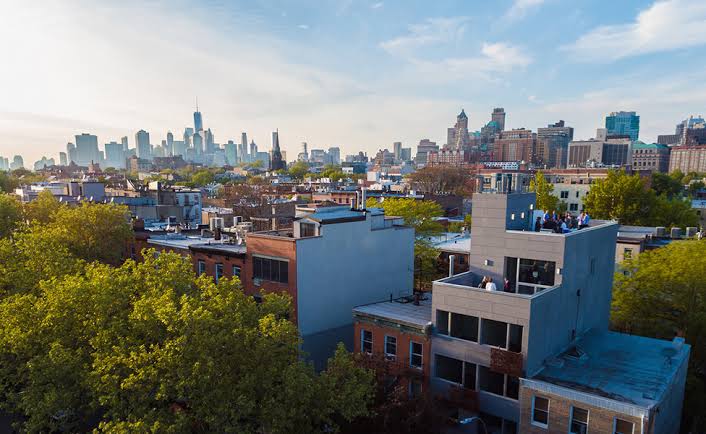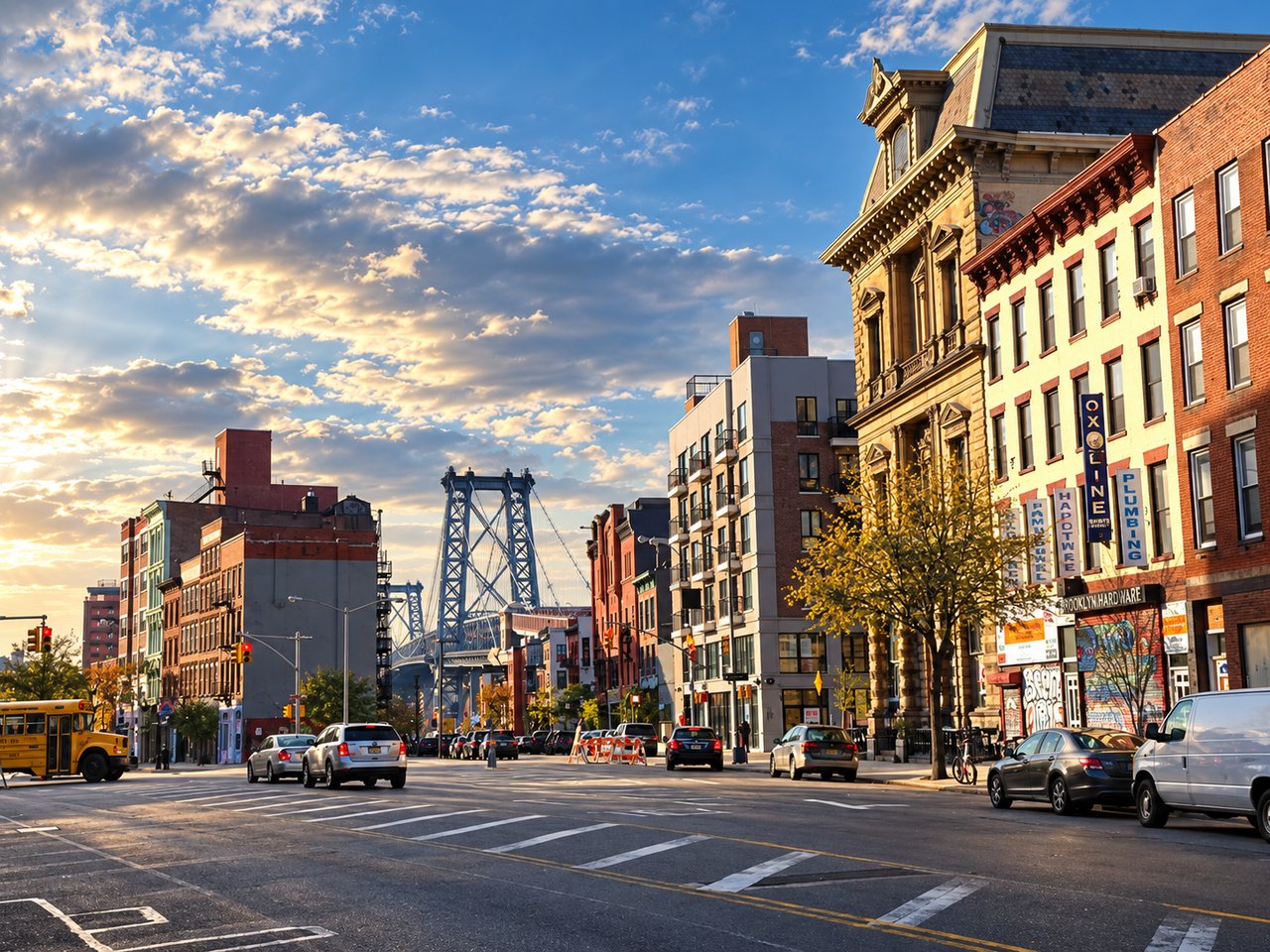
Williamsburg is the most active condo market in Brooklyn. The neighborhood runs from the East River waterfront east to the Morgan Avenue corridor, and from Greenpoint to the north down to Bushwick to the south. It has more new development per block than any other neighborhood in the borough, and the resale condo market reflects that density and diversity of product.
Buyers come here for waterfront access, proximity to Manhattan via the L and J/M/Z trains, and a concentration of restaurants, bars, and nightlife that remains unmatched in Brooklyn. What they find is a condo market that demands careful building-by-building analysis - because product quality and financial health vary considerably.
What the Williamsburg Condo Market Looks Like
Active condo inventory in Williamsburg typically runs 60 to 90 listings at any given time, making it one of the deepest condo markets in the borough. Prices range from around $700K for a compact one-bedroom in an older conversion to $3M or more for a penthouse in a full-service waterfront building.
The most sought-after product - two-bedrooms with outdoor space in waterfront or South Williamsburg buildings - trades in the $1.4M to $2.2M range. One-bedrooms in well-maintained boutique buildings with low monthlies price between $850K and $1.3M. Ground-floor units and north-facing apartments in less desirable buildings can fall below $700K.
Days on market for well-priced listings runs 25 to 45 days. Overpriced listings - particularly those in buildings with high common charges or pending assessments - can sit for months.
Property Types in Williamsburg
New development condos are the dominant product type. Buildings range from boutique 6-unit conversions to 200-unit towers with full-service amenities (doorman, gym, roof deck, parking). The quality of construction, the reputation of the developer, and the financial health of the building all vary significantly. New development often carries higher common charges in early years.
Resale condos in older buildings (pre-2010) often have lower common charges but may have deferred maintenance or dated finishes. Buildings that converted from industrial or rental use in the early 2000s are worth scrutinizing carefully for capital reserve levels.
Loft-style units in converted industrial buildings appeal to buyers who want high ceilings, open layouts, and character. These buildings tend to be smaller and self-managed, which can mean lower carrying costs but less responsive management.
What Drives Pricing in Williamsburg
Waterfront access is the single biggest price premium. Buildings along Kent Avenue, North 6th Street, and the Domino Sugar waterfront command prices 15 to 25 percent above comparable non-waterfront product.
Outdoor space - private terraces, roof rights, or even Juliet balconies - adds meaningful value in a market where buyers prioritize it. Ground-floor units without outdoor space are the hardest sell.
Building financials matter more here than in many other neighborhoods. A building with a healthy reserve fund and low monthlies will hold its value and attract buyers more easily than one with a thin reserve and a history of special assessments.
Due Diligence Considerations
Before making an offer, review the offering plan amendment, the most recent financials, the reserve fund balance, and the last two years of board meeting minutes. Look for pending litigation, special assessments, and any capital projects that have been deferred.
For buildings with fewer than 10 units, financing can be more complicated - some lenders require a minimum percentage of owner-occupants or a minimum number of units. Confirm financing eligibility early.
If you are buying in a building that was recently converted or is still in its sponsor-sale phase, understand the distinction between sponsor units and resale units, and what protections (or lack thereof) apply to your purchase.
Getting Around Williamsburg
The L train is the primary transit artery for Williamsburg, with stops at Bedford Avenue, Lorimer Street, Graham Avenue, Grand Street, and Montrose Avenue. Bedford Avenue is the closest subway stop to the core of North Williamsburg and is one of the most used L train stops in Brooklyn. The J, M, and Z trains serve South Williamsburg along Marcy Avenue and Broadway, connecting to Lower Manhattan and Queens.
Williamsburg is also well-connected by ferry. The NYC Ferry East River route stops at North Williamsburg, providing direct waterfront service to DUMBO, Manhattan's East Side, and Astoria. For buyers who prefer the ferry commute over the subway, this is a meaningful perk. Grand Street and the East River waterfront are bike-friendly, and the Williamsburg Bridge carries a dedicated bike and pedestrian path that connects directly to the Lower East Side.
Schools and Neighborhoods
PS 84 and PS 132 serve Williamsburg. The neighborhood skews younger and is not primarily family-driven, but families do live there and the school options have improved. The waterfront park areas along Kent Avenue provide outdoor space, and the Bushwick Inlet Park has expanded green space options for residents in North Williamsburg.
Williamsburg is divided broadly into North Williamsburg and South Williamsburg, which have different characters. North Williamsburg, above Metropolitan Avenue, has the highest concentration of new development, restaurants, bars, and retail. South Williamsburg, historically centered on the Hasidic Jewish community, has seen less new development and generally lower condo prices. Buyers should understand which part of the neighborhood they are considering and how the two submarkets differ.

Fouad Rahmé
Founder, the Rahmé Team at Compass
The Rahmé Team advises buyers, sellers, investors, and developers across Brooklyn, with 40 years of combined experience, more than 1,000 clients and transactions, and over $800 million in career sales. RealTrends Verified ranks the team in the top 1.5% of real estate professionals nationwide.
Contact the team or call (718) 233-3365.
Frequently Asked Questions
What is the price range for Williamsburg condos?
Williamsburg condos range widely. Studio and one-bedroom units in older conversions start around $600,000 to $800,000. New-development one-bedrooms in waterfront buildings can reach $1.2M to $1.6M. Two-bedrooms in newer developments generally run $1.5M to $2.5M, with penthouse and full-floor units in trophy buildings pushing higher. Buyers should compare new development to resale conversion units for the same budget before making a decision.
How do Williamsburg condos compare to Greenpoint?
Greenpoint prices at a slight discount to Williamsburg in most building categories, with a quieter character and strong restaurant scene. The G train is the primary transit option in Greenpoint, which is a constraint compared to the L train access in Williamsburg. Buyers who want similar product at 5 to 10 percent lower cost and do not need the L train connection often find Greenpoint compelling.
What are common charges like in Williamsburg new developments?
Common charges in Williamsburg new developments typically run $800 to $1,500 per month on two-bedroom units. Full-service buildings with doormen, fitness centers, roof decks, and concierge services carry higher charges. Buyers should underwrite the true monthly carrying cost including common charges, taxes, and mortgage payment before comparing buildings on sticker price alone.
Can I rent out a Williamsburg condo I buy?
Most Williamsburg condos allow subletting, subject to any restrictions in the building's bylaws and condo documents. Williamsburg is a strong rental market, and buyer-investors purchasing a second unit or planning to rent while traveling find the neighborhood one of the more liquid in Brooklyn for rentals. Buyers should confirm subletting terms, minimum lease periods, and any building registration requirements through their attorney before closing.
What should I check in the condo offering plan before buying in Williamsburg?
The offering plan contains the budget, reserve fund status, and any outstanding litigation. For buildings still in sponsor control, review the sponsor's track record and timeline for transitioning control to a condo board. Conversion buildings should be reviewed for underlying mechanical systems, roof condition, and any capital work completed or deferred. A real estate attorney with condominium experience should review the plan and board meeting minutes before you go to contract.
Work With the Rahmé Team
Fouad Rahmé works with buyers throughout Williamsburg, DUMBO, Greenpoint, and surrounding neighborhoods. If you are evaluating condos in Williamsburg, he can help you underwrite the full carrying cost, assess the building's financial health, and position your offer in a competitive market.
How to Evaluate a Williamsburg Condo Building
In a neighborhood with this many buildings, the gap between a well-run development and a troubled one is significant - and it shows up in long-term costs, resale value, and the ease of financing on a future sale. Before going to contract, review the offering plan, the most recent budget and financial statements, the reserve fund balance, and any board meeting minutes you can access. Buildings with thin reserves or pending assessments are not disqualifying, but they should factor into your price.
Look at the percentage of investor-owned units. High investor concentration can complicate future financing - some conventional lenders require a minimum owner-occupancy rate. If you plan to eventually sell to a buyer using conforming financing, this matters more than it might at first appear.
Common charges vary significantly across Williamsburg buildings and do not always reflect what they cover. A low monthly charge in a building without a doorman, gym, or roof deck is a different story than a low charge in a full-service building with expensive mechanical systems and deferred maintenance. Read the budget line by line.
Competing for Condos in Williamsburg
New development in Williamsburg often sells through sponsor sales, which have different dynamics than resale. Sponsor units allow more negotiation on price during slower periods and more flexibility on deal structure, but buyers give up some of the protections that come with a resale transaction. Read the offering plan carefully and have an attorney experienced in New York City condo purchases review the contract before you sign.
For resale condos, the same preparation applies as anywhere in Brooklyn: pre-approval, clear contingency terms, and a realistic understanding of the market before you make an offer. Well-priced one- and two-bedrooms in buildings with strong financials and good amenities move quickly.
How the Williamsburg Condo Market Works
Williamsburg operates differently from most Brooklyn neighborhoods because its inventory skews heavily toward condos built after 2005. The wave of rezoning that transformed the waterfront in the mid-2000s produced a dense supply of new construction units, many of which are now reselling for the second or third time. That means buyers are often competing for apartments with relatively high common charges and tax abatements that may have already expired or are approaching their end date.
It is worth understanding which buildings still carry 421-a abatements and how many years remain, because the difference in annual tax burden can be significant once the abatement phases out. Buildings along the waterfront, particularly between North 1st and North 8th Streets, tend to have the most premium pricing but also the strongest rental demand, which matters for buyers who may eventually want to lease the unit. Interior blocks closer to Bedford Avenue and Metropolitan Avenue offer lower price points and a different buyer profile.
Williamsburg vs. Greenpoint and Bushwick
Buyers considering Williamsburg often compare it to Greenpoint to the north and Bushwick to the east. Greenpoint offers a quieter character, a larger share of prewar co-ops, and slightly more accessible pricing in certain pockets, but the G train coverage is a real consideration for commuters. Bushwick has lower entry prices across the board and more loft-style inventory, but it lacks the waterfront access and the density of retail and dining that makes Williamsburg appealing to buyers who want to walk to most of what they need.
Within Williamsburg itself, there are meaningful distinctions between North Williamsburg, South Williamsburg, and East Williamsburg. North Williamsburg commands the highest prices and has the most competitive market. South Williamsburg and East Williamsburg have historically been more affordable and have seen growing buyer interest in recent years as North prices have climbed.
What to Confirm Before You Close in Williamsburg
For condo buyers in Williamsburg, the due diligence checklist should include a review of the building's financials, reserve fund, and any pending assessments. Buildings that went through the original sponsor sellout more than a decade ago may have deferred maintenance or capital projects on the horizon. It is also worth confirming whether the building has a right of first refusal that could affect your ability to close efficiently.
Buyers relying on financing should confirm that their target building is warrantable. Some Williamsburg buildings with high investor ownership ratios or commercial space on lower floors have posed issues for conventional lending. If you are planning to put down less than 25 percent, verifying lender eligibility early in the process will save time.