If you follow Brooklyn real estate closely, you have probably noticed something that feels counterintuitive: the segment of the market that would seem most vulnerable to interest rate pressure, the $2M and above tier, is the one performing best this summer. Days on market in the Brooklyn luxury segment have compressed. Prices are holding at or near ask on well-positioned listings. Bidding situations, while not universal, are appearing again on properties that a year ago might have sat for six to eight weeks.
This is not happening everywhere in Brooklyn. The $800K to $1.2M range is more contested and more sensitive to financing conditions. But the top of the market has developed its own dynamics in 2026, and understanding those dynamics matters whether you are a buyer deciding when to move or a seller trying to time your listing.
What the Numbers Show
Brooklyn properties above $2M have been trading at a meaningfully tighter discount to asking price than the broader market. In the overall Brooklyn market, the median sale-to-list ratio has hovered around 97 to 98 percent for most of 2026. In the $2M-plus segment, we are regularly seeing sales at 99 to 101 percent of ask on properties that are well-priced and well-positioned. The difference is not dramatic, but it is consistent and it is directional.
Days on market tell a similar story. Across Brooklyn as a whole, median days on market has been ranging from 25 days in the most competitive neighborhoods to 90-plus days in others. For the $2M+plus segment in neighborhoods like DUMBO, Brooklyn Heights, and Park Slope, well-priced listings are regularly going into contract within 20 to 35 days. The outliers are properties with condition issues, unusual configurations, or pricing that outruns what the specific block and building can support.
Inventory in the $2M-plus range remains genuinely constrained. The number of active listings above $2M in Brooklyn at any given point is a fraction of what would be needed to create a soft market. When a good property comes to market in the right neighborhood at a defensible price, there are buyers who have been waiting and who move with conviction.
The Inventory Constraint at the Top of the Market
The most powerful driver of the luxury segment's strength is simply supply. There are not many properties above $2M in Brooklyn, and the owners of those properties are not being forced to sell. The sellers who are coming to market in this range are doing so by choice, and that means they are pricing with confidence rather than desperation.
The rate lock-in effect that has suppressed inventory across the broader market hits the luxury segment differently. Owners of a $3M Brooklyn Heights townhouse who bought in 2018 at a 3.5% mortgage rate are not going to sell into a market where they would have to finance their next purchase at a higher rate without a very compelling reason to do so. Many of them simply are not selling, which keeps supply thin and supports pricing for the properties that do come to market.
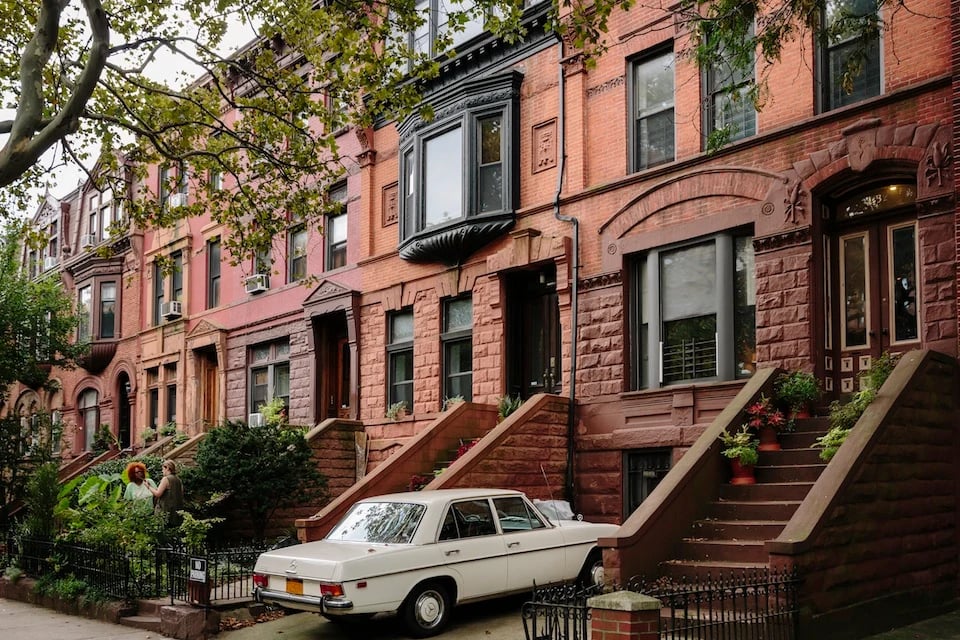
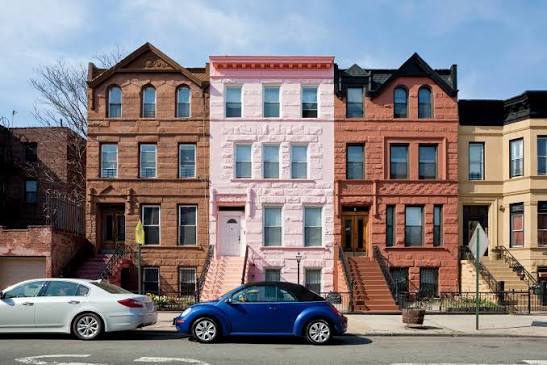
At the same time, the inventory of genuinely exceptional properties, the homes that stand out on a block because of their restoration quality, their architectural distinction, or their specific positioning, has always been limited. You cannot create more 22-foot-wide renovated brownstones on the best block in Park Slope. You cannot add more warehouse loft units with direct water views in DUMBO. Scarcity at the quality tier is structural, not cyclical, and it persists regardless of broader market conditions.
Manhattan Buyers Crossing the Bridge
One of the most significant drivers of Brooklyn luxury demand in 2026 is buyers relocating from Manhattan. This is not a new trend, but it has accelerated and it is reshaping what moves quickly in Brooklyn's top tier.
A buyer who is selling a two-bedroom apartment in Tribeca or the West Village at $2.5M to $3M and looking for their next purchase is doing math that increasingly points to Brooklyn. At $2.5M on this side of the bridge, they can often buy significantly more space, a private outdoor area, or ownership of a full building rather than a floor in a larger structure. The lifestyle trade they are making is real: the commute may be longer for some, the density is lower, the neighborhood rhythms are different. But the trade in terms of what they own for the money is compelling, and a growing number of Manhattan buyers are making it.
These buyers tend to be sophisticated and decisive. They have been through the Manhattan market. They know how to read a floor plan, understand a closing cost estimate, and evaluate a building's financials. When they identify a Brooklyn property that meets their criteria, they move quickly and they bring competitive offers. Their presence in the $2M-plus Brooklyn market has raised the competitive pressure for local buyers who are also operating in that range.
The neighborhoods drawing the most Manhattan crossover traffic are DUMBO and Brooklyn Heights, which offer the most direct experiential comparison to what Manhattan buyers are leaving behind. The waterfront, the architectural quality, and the commute access to lower Manhattan make both neighborhoods intelligible to buyers who are used to Tribeca or the Financial District. Park Slope is drawing buyers from the Upper West Side, who recognize the park-fronting brownstone lifestyle as a version of something they know.
Specific Neighborhoods Driving the Trend
DUMBO
DUMBO has become a market unto itself at the high end. The combination of genuine loft scale, waterfront access, and proximity to the Brooklyn Bridge has created a product category that does not exist in the same way anywhere else in New York. Buyers who want 1,600 square feet of loft with 13-foot ceilings and views toward lower Manhattan are not finding that in Manhattan at the prices available in DUMBO. This specificity of product, combined with the neighborhood's maturation into a fully functioning luxury residential environment, has kept demand strong.
The summer of 2026 has seen several DUMBO properties in the $2.5M to $4M range go to contract quickly. The listings that have moved fastest have been the best of the converted warehouse lofts, where the architectural authenticity, the ceiling height, and the specific exposure combine to create something buyers feel they cannot replicate elsewhere. New construction units in DUMBO continue to attract buyers who want the address with modern amenities, and that segment has also been active.
Brooklyn Heights
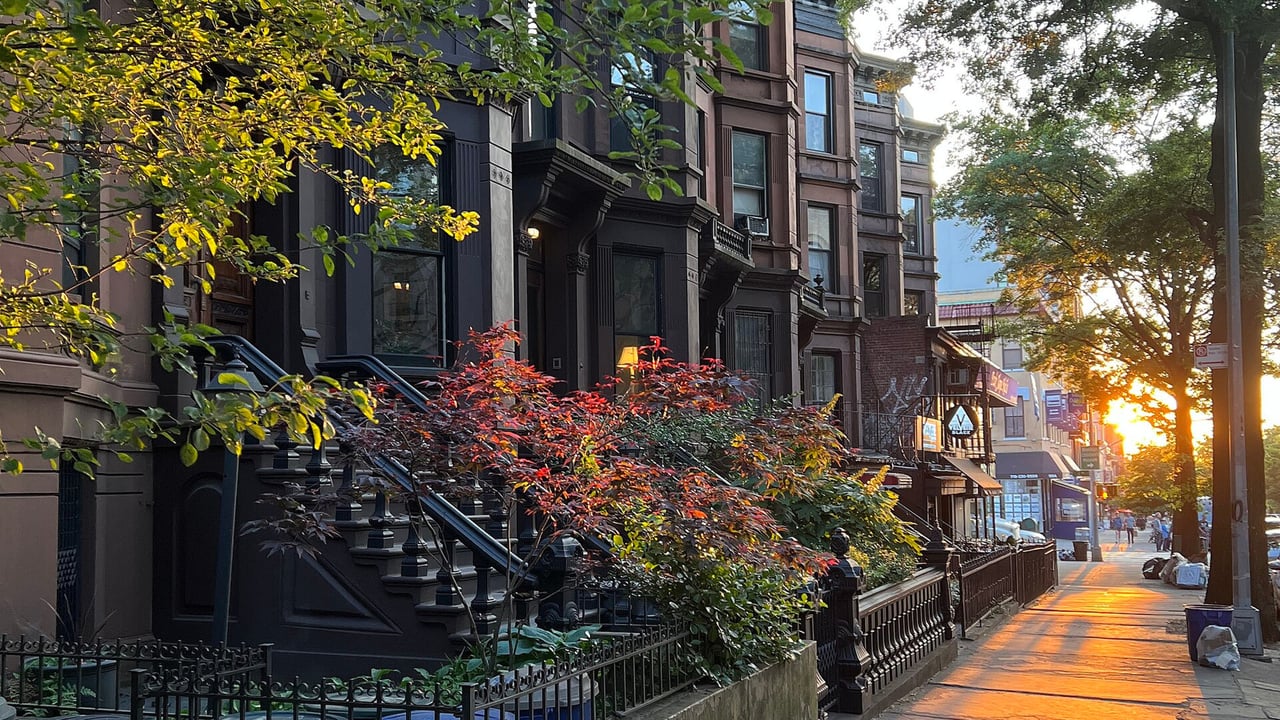
Brooklyn Heights townhouse sales have been among the most competitive in Brooklyn this summer. The supply of four-story brownstones and limestone rowhouses in prime position, between Willow Street and Henry Street, between Clark and Remsen, is genuinely small. When a well-maintained or recently renovated example comes to market, the pool of buyers who have been waiting is not small.
The $3M to $6M townhouse range in Brooklyn Heights is the sweet spot drawing the most activity. Properties below $3M in the Heights are often requiring renovation and attract a slightly different buyer profile, those willing to take on a project. Properties above $6M exist and trade, but the buyer pool narrows at that level. The $3M to $6M range draws both the Manhattan crossover buyer and the long-term Brooklyn buyer who is making their final, lasting purchase.
Park Slope
Park Slope's luxury market is centered around the north Slope, the blocks between Flatbush Avenue and roughly 9th Street, and particularly the streets closest to Prospect Park. A renovated single-family brownstone in this zone, particularly anything in the 2,800 to 4,000 square foot range with a usable garden and period details, has been moving with very little negotiation from list price.
The Park Slope luxury buyer is often a family with children who is making a permanent commitment to the neighborhood. These buyers tend to have strong knowledge of the market, having rented in the Slope or lived in a smaller Park Slope home previously. They are not impulse buyers, and when they make a move, they have usually been evaluating the market for a year or more. That buyer conviction, combined with thin inventory at the top, creates a market dynamic where sellers with the right product are in a strong position.
What This Means for Buyers
If you are a buyer in the Brooklyn $2M-plus market, the practical implications of this dynamic are clear: you cannot expect to take significant time evaluating a property before deciding to act. The days when a buyer could see a listing, think about it for two weeks, do three more visits, and then put in a deliberate offer at 5% below ask are largely gone for well-positioned properties in these neighborhoods.
This does not mean you should rush into a decision you are not ready to make. It means the preparation needs to happen before you see the property, not after. Your financing (or your cash verification) needs to be completely in order before you start touring. Your attorney needs to be engaged and ready to review a contract on a fast timeline. Your sense of what you need, how much space, which block, what building configuration, needs to be refined in advance so that when the right property appears, you can recognize it quickly and act with confidence.
Buyers who move fast and decisively on the right property in this market are the ones who get it. Buyers who need two or three weeks to arrive at conviction are regularly losing to someone else who was ready. We have seen this happen multiple times this summer with our clients, and the solution is preparation, not speed for its own sake.
Competition at this level also means that the contingency structure of your offer matters. All-cash offers continue to win outright when price is otherwise comparable. Financed offers with short contingency periods and proof of strong qualification are the next best option. Offers that ask for extended inspection periods or that load up on contingencies are less competitive regardless of price. Understanding what levers you have and which ones matter most in this market is something your broker should be advising you on actively.
What This Means for Sellers
If you own a $2M-plus Brooklyn property and have been thinking about selling, summer 2026 is a favorable environment to act. The combination of thin inventory, active buyer demand, and the Manhattan crossover effect means that a well-prepared listing in the right neighborhood is not going to sit. You do not need to discount to generate activity. You do need to price correctly, because even in a strong market, the luxury buyer is informed and will not chase a property that is priced as though no comparable sales data exists.
Preparation before listing makes a material difference at this price point. Buyers at $2M and above are spending significant money, and they notice things. A well-maintained building with a clean inspection record, completed permits, fresh paint, and thoughtful staging will consistently outperform an equivalent property that comes to market with visible deferred maintenance and incomplete paperwork. The investment in preparation, whether that is a pre-listing inspection to identify and address issues, targeted cosmetic updates, or professional staging, generates returns at closing that exceed the cost.
Timing within the season also matters. The fall market in Brooklyn, which runs from September through early November, is historically one of the two strongest selling windows of the year. Buyers who held off during the summer because they were away or because inventory was not showing them the right thing tend to re-engage in September with a sense of urgency. A property positioned at the end of August or early September is entering a market where the buyer pool is refreshing and motivated.
The Broader Picture
The Brooklyn luxury market's outperformance is not an accident or a temporary anomaly. It reflects several durable structural factors: genuine scarcity of high-quality product, a buyer pool that is motivated and well-capitalized, a persistent value gap relative to comparable Manhattan properties, and neighborhoods that have reached a level of development and cultural identity that makes the trade compelling.
What will change this? A material increase in supply would soften pricing, but there is no mechanism by which supply at the top of the Brooklyn market increases rapidly. New development delivers some units, but new construction in Brooklyn's historic neighborhoods is constrained by landmark regulations and community opposition. The brownstones and limestone rowhouses that are the core of Brooklyn Heights and Park Slope luxury supply cannot be replicated. New warehouse conversions in DUMBO cannot happen because there are no warehouses left to convert.
Interest rates that rise significantly from current levels would suppress demand at every price point, including the luxury tier. But the cash buyer percentage in Brooklyn's $2M-plus market is high enough that interest rates are a less direct constraint here than in the $700K to $1.2M range. Many buyers in this segment are equity-rich from prior home sales, and a meaningful portion are all-cash.
For buyers and sellers who are operating at the top of the Brooklyn market this summer, the picture is one of genuine activity and genuine competition. Knowing the specific dynamics of the neighborhood you are targeting, the pricing history of comparable transactions, and the practical mechanics of competing effectively is what separates buyers who succeed in this market from those who wait longer than they intended. We watch this market closely every day, and if you want a read on a specific neighborhood or property type, that is a conversation we are ready to have.

Fouad Rahmé
Founder, the Rahmé Team
The Rahmé Team advises buyers, sellers, investors, and developers across Brooklyn, with 40 years of combined experience, more than 1,000 clients and transactions, and over $800 million in career sales. RealTrends Verified ranks the team in the top 1.5% of real estate professionals nationwide.
Contact the team or call (718) 233-3365.
Looking to buy in Brooklyn's $2M-plus market?
The Rahmé Team tracks this segment closely and can give you a real-time read on what's available, what's moving, and how to position your offer. Call (718) 233-3365 or contact us.
Frequently Asked Questions
What counts as luxury real estate in Brooklyn?
There is no single industry standard, but in Brooklyn the luxury tier is generally understood to start at $2 million for condos and townhouses. At the top of the market, fully renovated brownstones and townhouses in Brooklyn Heights, Carroll Gardens, and Park Slope trade above $4 million, with the most significant properties trading above $6 million. Luxury is also defined by finish quality, amenity level, and location: a $2.5M new-construction condo with a doorman and roof deck occupies a different market position than a $2.5M unrenovated rowhouse.
Why are luxury Brooklyn prices rising while other segments are flat?
The buyer pool for Brooklyn luxury is disproportionately cash-heavy and less sensitive to mortgage rate fluctuations than buyers in lower price tiers. At the same time, supply of truly high-quality product in Brooklyn's core neighborhoods is structurally constrained: the brownstones cannot be replicated, the warehouse conversions in DUMBO are sold out, and new development in landmark districts faces significant restrictions. When motivated buyers compete for a limited supply of best-in-class product, prices move up regardless of what the broader market is doing.
Is now a good time to buy luxury real estate in Brooklyn?
For buyers with a long time horizon and genuine conviction about a specific property or neighborhood, the answer is usually yes. Timing the luxury market precisely is difficult, and the cost of waiting, in both missed opportunities and continued housing expense, is often higher than buyers calculate. The more relevant question is whether the specific property is priced correctly relative to comparable sales and whether it suits your needs for the next five to ten years. We can help you assess both.
How does Brooklyn luxury compare to Manhattan luxury in value?
Brooklyn luxury continues to offer meaningful value relative to comparable Manhattan product. A $4M brownstone in Brooklyn Heights or Park Slope delivers square footage, outdoor space, and architectural character that the same budget cannot buy in the West Village or Tribeca. The gap has narrowed over the past decade as Brooklyn's premium neighborhoods have matured, but it has not closed. For buyers who are open to Brooklyn, the value case relative to Manhattan remains strong.
Do luxury Brooklyn properties sell faster than mid-market properties?
Well-priced luxury properties in Brooklyn's core neighborhoods move quickly, sometimes within days when the product is exceptional. The luxury segment is smaller in absolute transaction volume, so individual properties get more focused buyer attention from a qualified pool. Overpriced luxury listings, on the other hand, can sit for extended periods because the buyer pool is thinner and less forgiving of mispricing than the mid-market. Correct pricing at the high end matters more, not less.