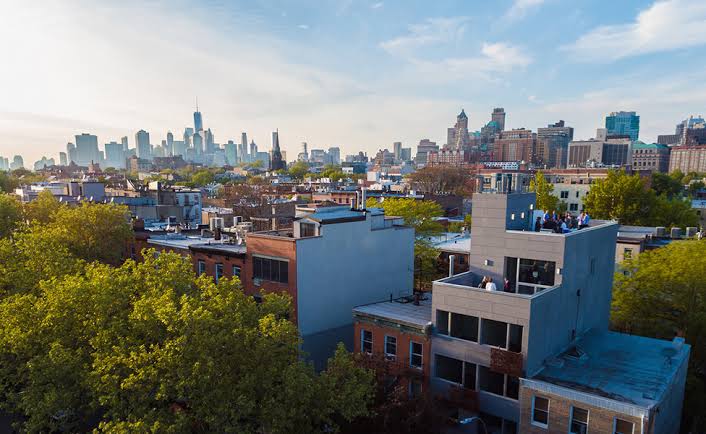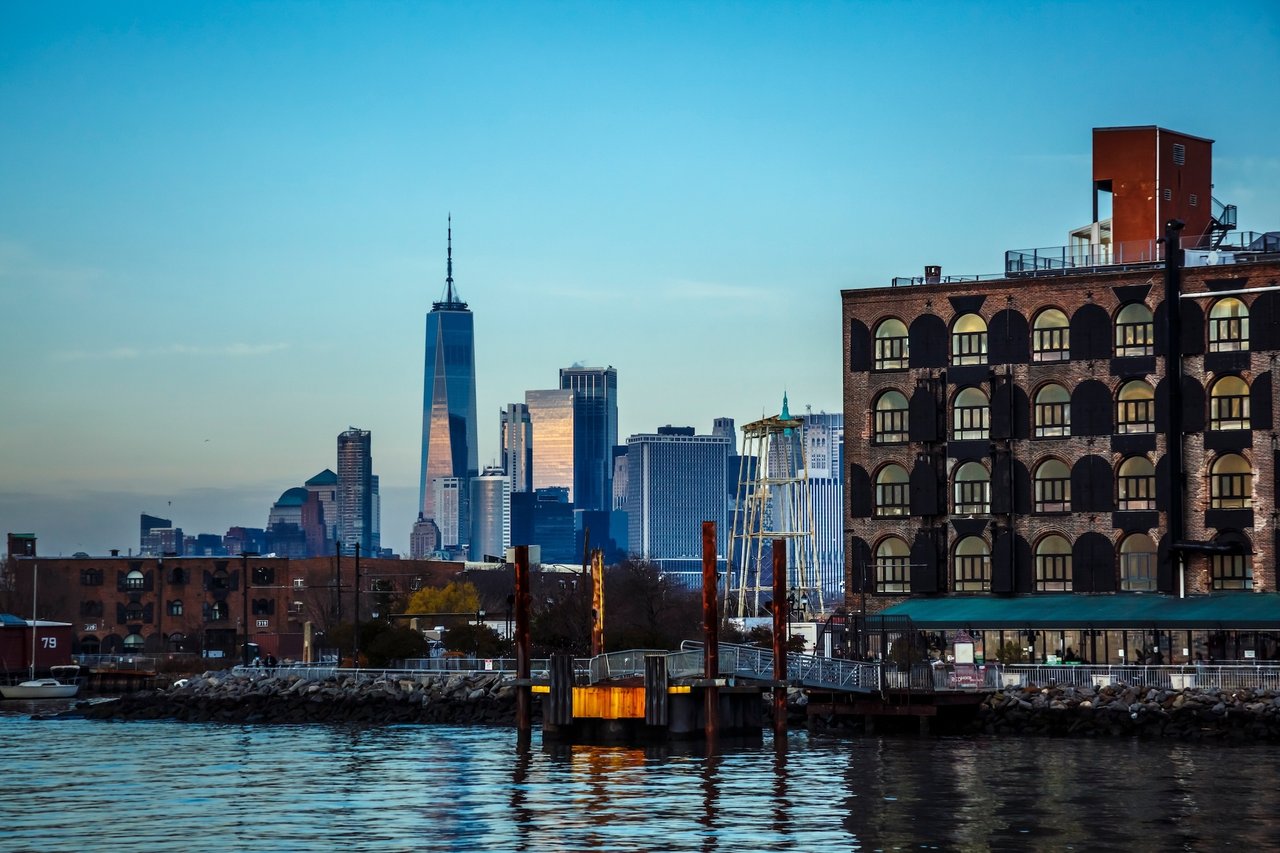
Red Hook sits at the southwestern tip of Brooklyn, surrounded by water on three sides - Upper New York Bay to the west, Gowanus Canal to the east, and the Erie Basin to the south. It is one of the most geographically isolated neighborhoods in the borough, accessible by car, the B61 bus, or a short walk from Carroll Gardens and Cobble Hill. There is no subway.
That isolation has kept Red Hook affordable relative to its neighbors and attracted a distinct mix of buyers: people who prioritize space, waterfront proximity, and a neighborhood that still has genuine character. The housing stock reflects that history - converted warehouses, rowhouses, and a handful of newer condos in a neighborhood that is still finding its footing as a residential market.
What the Red Hook Market Looks Like
Active inventory in Red Hook typically runs 10 to 20 listings at any given time. The market is thin, which means individual listings can move the needle. Prices range from under $600K for a small condo or co-op to $2M or more for a renovated townhouse with outdoor space.
Townhouses and rowhouses, where they exist, trade between $1.2M and $2.2M depending on size, condition, and proximity to the waterfront. Condos in newer buildings price from $700K to $1.3M for one- and two-bedroom units. Loft-style units in converted industrial buildings vary widely based on building condition and financials.
Days on market in Red Hook can run longer than in other South Brooklyn neighborhoods - 45 to 70 days is not unusual for well-priced listings. Buyers have more negotiating room here than in Park Slope or Cobble Hill, particularly for properties that have been sitting.
Property Types in Red Hook
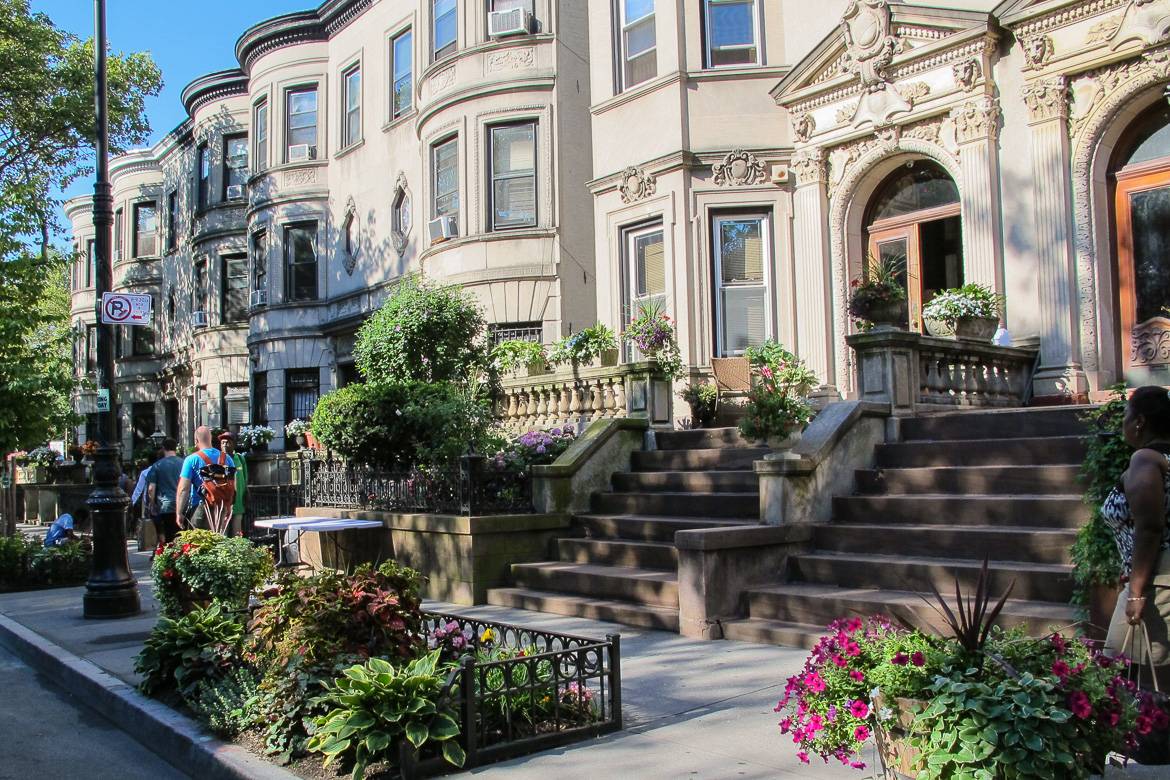
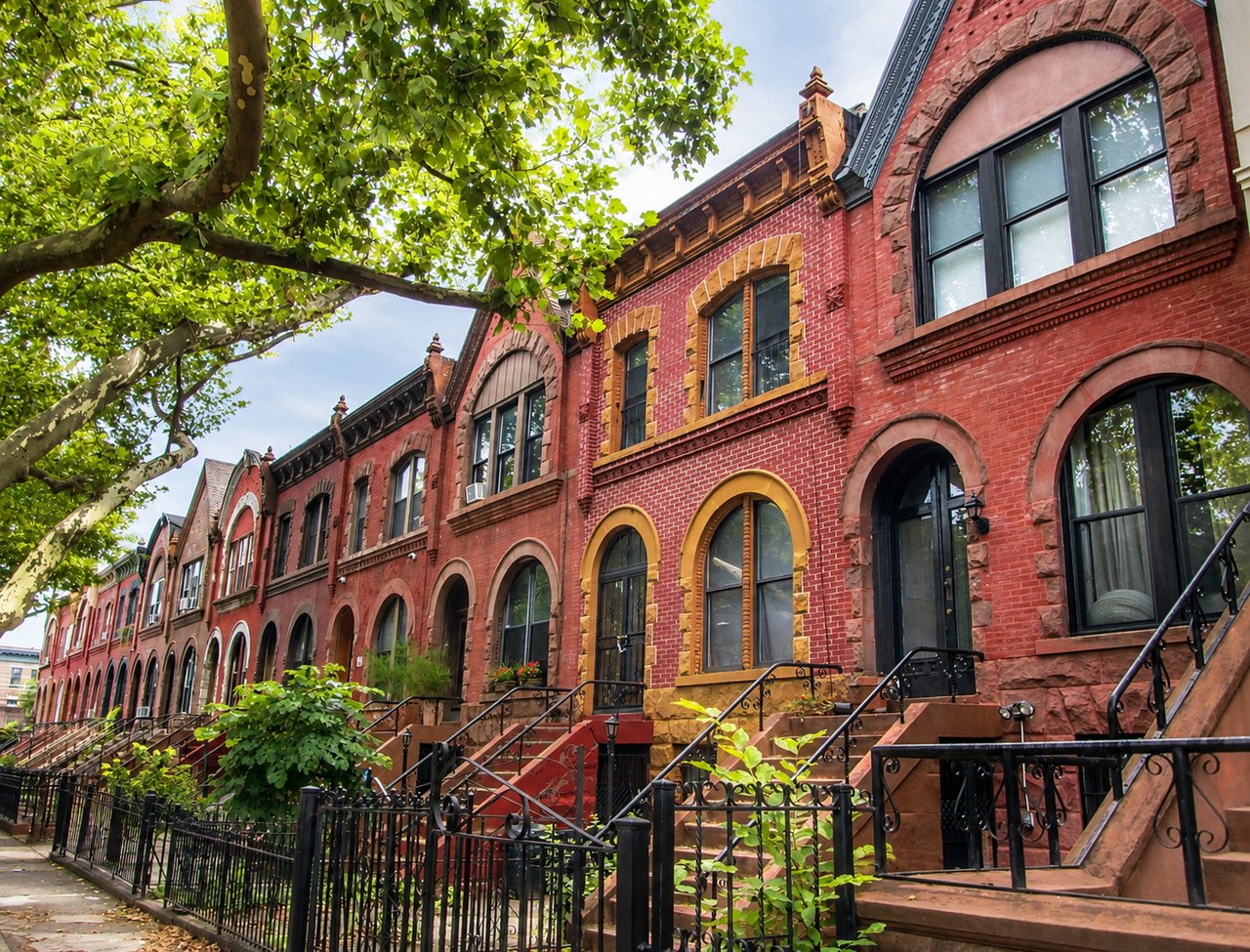
Rowhouses and townhouses are the most sought-after property type. The residential blocks closest to Van Brunt Street - Red Hook's main commercial strip - and the waterfront are most desirable. A well-renovated rowhouse with a backyard in good condition will attract serious buyers. Many properties need work, which creates opportunity for buyers who can take on a project.
Condos are concentrated in a handful of newer or converted buildings. The market is small enough that individual buildings define the condo segment - building financials and common charges warrant close review before making an offer.
Live-work lofts in converted industrial spaces are a defining product type in Red Hook. These spaces offer dramatic square footage and ceiling heights but require careful due diligence around zoning, permitting, and whether the space is legally habitable as residential.
Buyer Strategy in Red Hook
The lack of subway access is the defining factor in this market. Buyers who own cars or work from home are less affected by it. Buyers who need reliable transit to Midtown or Lower Manhattan should stress-test the commute before committing - the B61 to the F/G in Carroll Gardens is reliable but adds time.
Red Hook is a FEMA flood zone. Buyers should obtain a flood zone determination before going to contract, understand what flood insurance will cost, and factor that into the total carrying cost calculation. Properties at or near sea level warrant additional review.
For loft and industrial conversions, confirm the legal use classification with DOB records and the offering plan. Not all converted spaces have received full residential CO status.
Getting Around Red Hook
Red Hook's location off the main subway grid is part of what keeps it under the radar, and for buyers who know the neighborhood, that's a feature. The B61 bus runs along Van Brunt Street and connects to downtown Brooklyn and the subway network. The NYC Ferry docks at Red Hook and offers a scenic, reliable commute to Lower Manhattan, the East Side, and other waterfront stops. For drivers, the BQE and the Battery Tunnel put Manhattan minutes away during off-peak hours.
Citi Bike has expanded into Red Hook in recent years, and riding is genuinely pleasant in this flat, low-traffic neighborhood. Many residents use the ferry as their primary transit option and find it faster than a traditional subway ride. If you work in Lower Manhattan or need access to the waterfront, Red Hook's location is more of an advantage than a drawback.
Schools and Families in Red Hook
Red Hook is primarily served by PS 15 Patricia Hurley School, a K-8 school with an arts focus that draws families from across the neighborhood. The Red Hook Initiative runs youth programs and after-school activities for older students, and several charter school options in nearby Carroll Gardens and Cobble Hill are accessible by bus. Private and parochial school options in the broader South Brooklyn area are within easy reach for families who prefer that route.
The neighborhood's low density and quiet streets make it a comfortable place to raise children. Red Hook Recreation Area, with its ball fields, community garden, and waterfront access, functions as a genuine backyard for many families. The area has a strong sense of community, and many long-time residents with children are invested in the neighborhood's schools and parks.
Streets and Blocks Worth Knowing
Van Brunt Street is the commercial spine of Red Hook, lined with independent restaurants, coffee shops, wine bars, and specialty retailers. Blocks between Van Brunt and the water tend to be more industrial and are popular with buyers looking for loft-style conversions or live-work spaces. Coffey Street and Dikeman Street are among the quieter residential blocks, with rowhouses and smaller multifamilies in good condition.
The area around Pioneer Street and the Red Hook waterfront has seen investment in recent years, with the Red Hook Container Terminal nearby and ongoing discussion around waterfront development. Buyers interested in views or proximity to the water should focus their search between Van Brunt and Conover Street. Columbia Street, toward the Carroll Gardens border, offers a slightly more residential feel and easy access to the Columbia Street Waterfront District dining scene.
Due Diligence for Red Hook Buyers
Red Hook sits in a flood zone, and this is the single most important piece of due diligence for any buyer here. Properties in Zone AE or Zone X face different flood insurance requirements, and those costs can be substantial. Before making an offer, request flood zone determination and ask the listing agent for the current flood insurance premium if there is an existing policy. FEMA's Base Flood Elevation maps are worth reviewing with your attorney.
Red Hook saw significant flooding during Hurricane Sandy in 2012, and many properties have since been elevated, retrofitted, or rebuilt. Ask specifically whether the property you're considering has been raised or improved for flood resilience. Condition of basement and ground-floor spaces matters more here than in higher-elevation neighborhoods. Many buyers choose to purchase without a basement or avoid ground-floor units entirely.
For condos and co-ops, review the building's flood insurance policy and ask whether the association has reserves earmarked for flood mitigation or has completed any FEMA-funded retrofits. For multifamily or mixed-use properties, check the commercial tenant situation carefully, as some Red Hook commercial spaces have specific zoning overlays.
Red Hook Buyer FAQ
Is Red Hook a good investment? Red Hook has one of the lowest price-per-square-foot ratios of any waterfront neighborhood in Brooklyn, which reflects the flood risk and transit limitation. Buyers who have done their flood insurance homework and plan to hold for the medium to long term have generally done well here as the neighborhood has matured.
How much does flood insurance cost in Red Hook? It varies significantly by property, elevation, and flood zone designation. Some properties cost a few hundred dollars per year; others can run several thousand. Always get an actual quote before closing, not an estimate. Your real estate attorney or a licensed insurance broker can help you get accurate numbers during the contract period.
What types of properties are available in Red Hook? Red Hook has an unusual mix: rowhouses and two-family homes on the residential blocks, converted industrial lofts and live-work spaces near the waterfront, and a growing condo inventory in newer and renovated buildings. Co-ops are less common here than in other parts of Brooklyn.
How is the food and nightlife scene? Excellent and genuinely local. Red Hook has some of the best restaurants in Brooklyn, a strong wine bar culture, and several destination spots that draw visitors from across the city. The neighborhood also has its own brewery, specialty food producers, and a farmers' market at the ball fields on weekends during the warmer months.
Work With the Rahmé Team
Fouad Rahmé works with buyers throughout Red Hook, Carroll Gardens, Cobble Hill, and surrounding South Brooklyn neighborhoods. If you are considering a purchase in Red Hook, he can help you understand the market, identify the right property type for your goals, and structure an offer that competes effectively in a low-inventory environment.
Buying in Red Hook: What to Know First
Red Hook's isolation is also its appeal - but it creates practical considerations that buyers elsewhere in Brooklyn do not have to think about. There is no subway. Access is by car, the B61 bus, or the NYC Ferry from the waterfront pier. If you work in Manhattan or rely on transit, run the commute before you fall in love with a property.
Flood zone designation matters significantly here. Much of Red Hook is in a FEMA flood zone, and flood insurance can add meaningfully to carrying costs. Lenders will require it for properties in designated zones, and buyers should check the current flood map and get an insurance quote before making an offer - not after.
For commercial-to-residential conversions and loft-style spaces, review the Certificate of Occupancy carefully. Some buildings have residential use that was legalized after the fact, and the path of that legalization affects financing, insurance, and future sale. An attorney experienced in New York City real estate should review the title and CO before you go to contract.
Making a Competitive Offer in Red Hook
Red Hook inventory stays thin. When a well-priced property comes to market, particularly a rowhouse or a condo with outdoor space and waterfront proximity, it tends to move. Pre-approval is essential, and buyers who have already sorted through flood zone and insurance considerations are better positioned to move quickly and credibly.
Off-market opportunities exist in Red Hook more than in some other Brooklyn neighborhoods, particularly for larger buildings and commercial-to-residential conversions. Working with an agent who knows the neighborhood and has relationships with property owners can surface deals before they hit public listings.
How the Red Hook Real Estate Market Works
Red Hook is one of the few Brooklyn neighborhoods where the market still rewards buyers who are willing to look past the obvious. The lack of subway access has historically kept prices lower than comparable neighborhoods with better transit connections, but that gap has been narrowing as remote work and car ownership have become more common among buyers. The neighborhood's industrial waterfront has also attracted a consistent wave of food, arts, and creative business tenants that have raised its profile without fully eliminating the pricing advantage.
Inventory in Red Hook is relatively limited. The housing stock skews toward converted industrial buildings, townhouses, and smaller multifamily properties rather than the large condo buildings found in Williamsburg or Downtown Brooklyn. That means fewer opportunities to compare apples to apples, and individual properties often require careful valuation based on condition, layout, and proximity to the water versus the working port.
Red Hook vs. Carroll Gardens and Gowanus
Buyers evaluating Red Hook frequently compare it to Carroll Gardens, which sits directly to the east and offers subway access on the F and G lines, a denser retail corridor, and a well-established co-op and brownstone market. Carroll Gardens generally commands a price premium over Red Hook for that reason, though the gap varies considerably by property type. Gowanus is another common comparison, particularly for buyers drawn to industrial-to-residential conversions. Gowanus has seen significant new development driven by the 2021 rezoning, which has created a larger supply of new condo units but also brought construction noise and ongoing disruption to parts of the neighborhood.
Red Hook's appeal is distinct from both. It offers waterfront access, larger footprints in some of the converted buildings, and a quieter character that some buyers actively seek. The tradeoff is that transit-dependent buyers, or those with frequent commuting needs, should carefully model what the G train shuttle or rideshare costs look like over time.
What to Know Before Buying in Red Hook
Flood zone status is a serious consideration in Red Hook. Much of the neighborhood falls within FEMA flood zones, and flood insurance requirements and premiums vary significantly by property and elevation. Buyers should request an elevation certificate for any property they are seriously considering and factor flood insurance costs into the overall carrying cost analysis. Since Hurricane Sandy in 2012, the neighborhood has made improvements to its resilience infrastructure, but buyers should understand what protections are in place and what risks remain.
For mixed-use or multifamily properties, confirming current zoning and any active violations is essential. Red Hook has a mix of M1 and R6 zoning in different sections, and some properties that have been operating as residential conversions may have outstanding compliance questions. A thorough title search and inspection process is especially important in a neighborhood where building histories can be complicated.

Fouad Rahmé
Founder, the Rahmé Team at Compass
The Rahmé Team advises buyers, sellers, investors, and developers across Brooklyn, with 40 years of combined experience, more than 1,000 clients and transactions, and over $800 million in career sales. RealTrends Verified ranks the team in the top 1.5% of real estate professionals nationwide.
Contact the team or call (718) 233-3365.