Staging is not decorating. Decorating reflects the person who lives there. Staging creates the conditions under which the most buyers will see themselves living there. In Brooklyn, where the housing stock ranges from 150-year-old brownstones to glass-tower condos finished last year, what staging means in practice is different for every property. This guide covers what actually works across Brooklyn's most common property types, what sellers routinely get wrong, and where the investment in preparation consistently pays off.
Why staging matters more in Brooklyn than other markets
The data on staging is consistent across markets. Properties that are professionally staged or well-prepared for sale sell faster and typically closer to asking price than equivalent properties that aren't. In Brooklyn's $1M-plus market, buyers are seeing multiple properties and comparing them directly. First impressions form within seconds of walking through a door, and they are very hard to reverse. A buyer who walks into a cluttered, dark, or poorly maintained property will remember it that way even if the bones are exceptional. The architectural features that took 150 years to accumulate are invisible behind poor presentation.
The Rahmé Team's experience in Brooklyn's core neighborhoods is consistent with the broader data: properties where sellers invest in preparation (whether full professional staging or targeted improvements) spend fewer days on market and generate stronger opening offers than comparable properties that go to market in lived-in condition. On a $2M brownstone, generating an offer that is $80,000 to $150,000 stronger because the property was well-presented is a return on a staging investment of $5,000 to $15,000 that most sellers would take every time.
Decluttering and depersonalizing: the first step every Brooklyn seller must take
Before any furniture is rearranged or any room is photographed, the property needs to be stripped of excess. This is harder than it sounds for sellers who have lived in a space for years. The goal is to help buyers see the property, not the seller's life in it. Family photos, collections, personalized art, and surplus furniture all compete with the buyer's ability to project themselves into the space.
A general rule: remove half the furniture in every room and half the objects on every surface. What remains should look intentional and spacious. Closets matter too because buyers open them. A closet that is 70 percent full reads as a closet with storage. A closet that is stuffed to capacity raises concerns about storage for buyers who have their own belongings to put somewhere. Rent a storage unit for if the period of the listing if needed. The cost is modest and the impact on how the property shows is real.
Brownstone staging: working with what you have
A Brooklyn brownstone or rowhouse has architectural features that are assets and floor plans that can be challenges. The staging approach has to work with both.
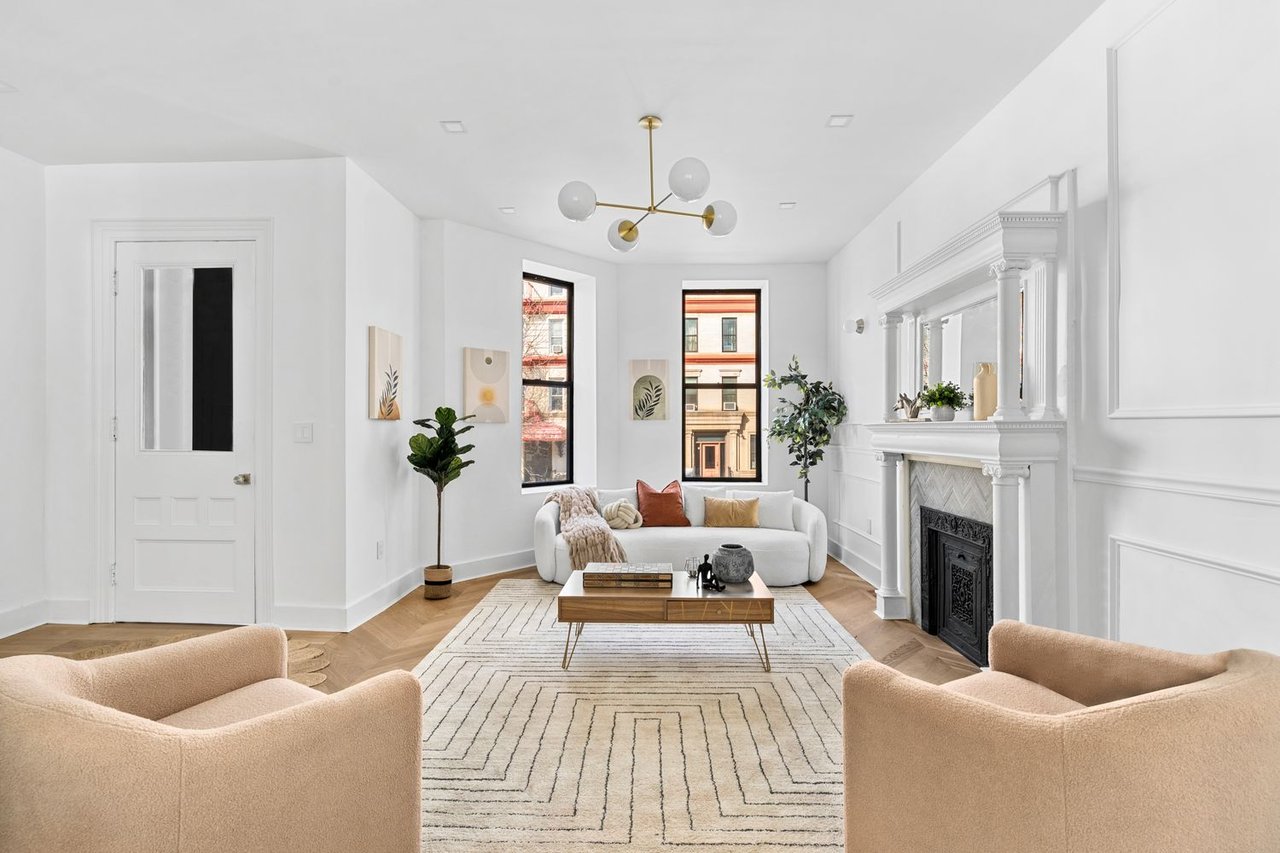
The assets: original millwork, plaster ceilings, exposed brick, original fireplaces, original hardwood floors. These are what buyers are coming to see. The staging should emphasize them, not compete with them. Furniture that fights the architecture, window treatments that block light, or excessive decoration that draws attention away from original details is staging that works against you. A parlor floor with 12-foot ceilings, original plaster medallions, and a marble fireplace mantel should be staged to let those features breathe. A single well-placed sofa facing the fireplace, appropriate-scale art, and light-colored window treatments that let in natural light will do more than filling every corner with furniture.
The challenges: narrow floor plans, low basement ceilings, dated kitchens and baths in properties that haven't been renovated, small bedrooms relative to modern expectations. The staging can't solve a small bedroom, but it can ensure the furniture scale is appropriate so the room doesn't feel smaller than it is. An oversized bed and two nightstands in a 10-foot-wide bedroom makes the room feel like a closet. A full-size bed with appropriately scaled furniture makes the same room feel like a reasonable bedroom.
Fireplaces in Brooklyn brownstones are almost always a selling point. If the fireplaces are original, make sure they're visible and the mantels are clean. An original marble mantel obscured by furniture or covered in objects is a missed opportunity. Center the room on the fireplace if the layout allows it.
Floors, paint, and lighting: the three highest-return investments
Original hardwood floors that need refinishing should be refinished before listing. The cost is several thousand dollars and the return is immediate: floors are one of the first things buyers look at. Floors that show decades of wear signal to buyers that other things in the building haven't been maintained either. Buyers take mental cues from surfaces, and a freshly refinished floor reads as a cared-for building in a way that worn floors don't. If the floors are in good condition but dusty or dull, a professional cleaning and buff can achieve most of the same effect at a fraction of the cost.
Paint is the highest-return pre-listing investment in almost every Brooklyn property. Fresh paint throughout, in neutral tones, makes a property feel clean and well-maintained to every buyer who walks in. Not white: builders' white is stark and cold. Warm off-whites, light grays, and greiges read well in Brooklyn's pre-war light and photograph well. Specific colors that have worked well in Brooklyn pre-war spaces include Benjamin Moore White Dove, Chantilly Lace, and Edgecomb Gray. The goal is to make every room feel clean and well-maintained, not to make a design statement.
Lighting is underestimated. Brooklyn's pre-war interiors can be dark depending on exposure. Supplement natural light with carefully placed lamps and updated overhead fixtures. Replace any bulbs that have burned out. Open every shade and curtain before every showing. A bright room photographs better, shows better, and feels larger than the same room in dim conditions. If the parlor floor of a brownstone gets excellent morning light, schedule photography accordingly rather than shooting at 2pm when the light is gone.
Condo staging: modern buildings, modern expectations
Buyers purchasing Brooklyn condos (in DUMBO, Williamsburg, or newer buildings in other neighborhoods) bring different expectations. They're looking for clean lines, quality finishes, and a sense of contemporary living. The staging should match.
In loft-style DUMBO units, the open floor plan is an asset, but furniture placement is critical. An open space with furniture pushed against the walls looks like a furniture showroom, not a home. Floating furniture to define living, dining, and work zones is essential in open-plan layouts. The goal is to show buyers how the space functions, not just how large it is. A buyer who can see where the sofa goes, where the dining table goes, and where a desk or reading chair would fit in a 1,200-square-foot loft has a much stronger emotional connection to the space than a buyer who walks into an open expanse with furniture arranged randomly.
In newer condominium buildings with hotel-quality finishes, the staging should be minimal and contemporary. Sellers who bring heavily traditional or eclectic furniture into a sleek modern building create a mismatch that makes buyers work harder to imagine themselves in the space. If your personal furniture is a strong style mismatch with the unit, a professional staging rental is worth considering. Rental furniture for a two-bedroom condo typically runs $3,000 to $6,000 and can meaningfully change the perception of the space, particularly in photography.
Outdoor spaces: stoops, gardens, and roof decks
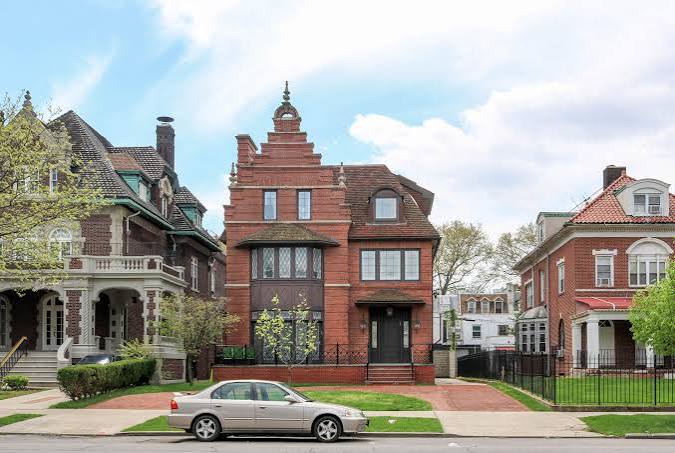
The garden and exterior of a brownstone deserve as much attention as the interior. Brownstone buyers often lead with the exterior and the garden before they see anything inside. A well-maintained stoop, a clean entrance, and a garden that's at minimum cleared and defined will set the right tone before a buyer walks through the door. A garbage-strewn rear yard or a stoop with peeling paint is the first thing a buyer sees and the lasting impression it creates is hard to undo inside.
Power-wash the stoop. Plant simple seasonal plants in window boxes if appropriate. Make sure the garden is cleared of debris even if it's not elaborately landscaped. A simple garden with defined borders, clean pavers or lawn, and a few potted plants reads as a maintained outdoor space. That's all buyers in this price range need to see: evidence that someone cared for it.
Roof decks and terraces on condo listings require the same treatment. A clean deck with simple, well-proportioned furniture shows far better than an empty concrete slab. If the deck has a view of the Manhattan skyline, make sure nothing is blocking it during photography. The view is a selling feature, not a backdrop.
What to do with a vacant property
Empty properties photograph badly and show badly. Buyers have difficulty assessing scale in an empty room: a 14-by-18-foot bedroom can look both enormous and somehow smaller than it should in photographs without furniture for reference. Empty spaces echo, smell different, and feel cold in ways that make buyers less comfortable during a showing.
For vacant properties, professional staging rental is worth the investment. A 2,000-square-foot brownstone floor-through staged with rental furniture (living room, dining area, two bedrooms, and an office or nursery) typically costs $4,000 to $8,000 for the staging package plus monthly rental until the property closes. On a $2M listing, this is a rounding error in the context of what a well-staged property can produce in a stronger offer. The Rahmé Team's experience consistently shows that staged vacant properties sell faster than unstaged vacant properties in the same building or on the same block.
Photography day: what to have ready
The listing photos are seen by every buyer who considers your property. The showing is experienced by a fraction of them. This means the photos carry enormous weight in the initial filtering decision buyers and their agents make about which properties to see in person. Professional real estate photography is non-negotiable for any Brooklyn listing above $700,000.
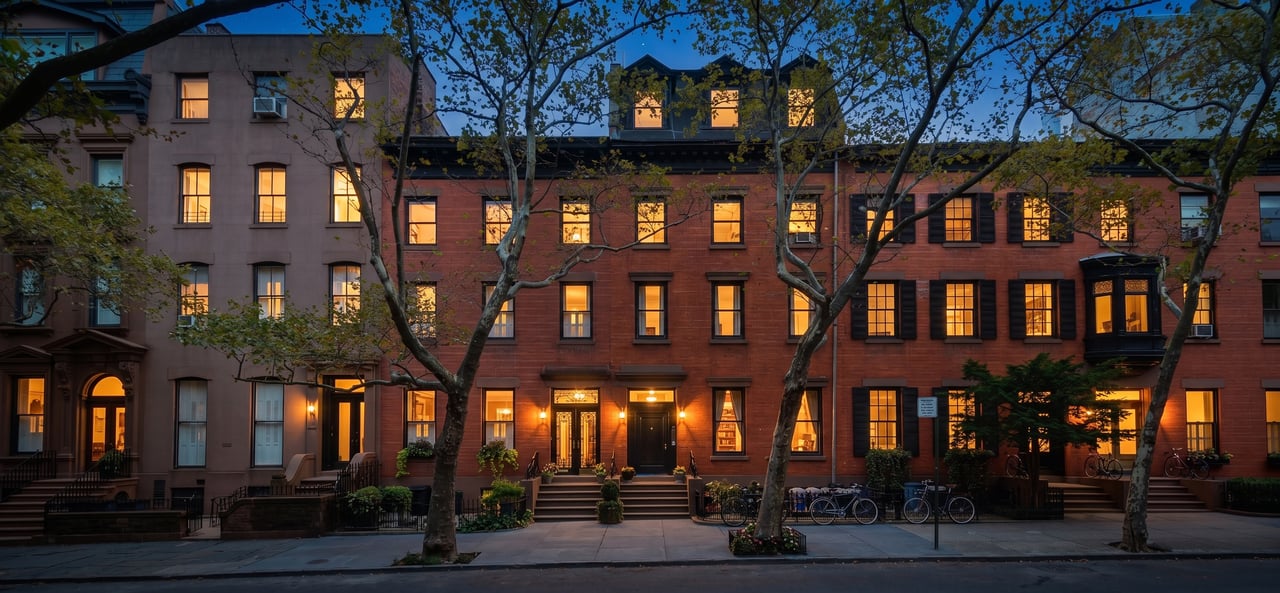
In Brooklyn's brownstone market, twilight exterior photography (shot at dusk when interior lights glow through windows and the facade is lit naturally) produces listing images that are consistently more effective than daytime exterior shots. A brownstone on a tree-lined block in Carroll Gardens or Fort Greene, photographed at golden hour with the parlor floor lights on and the stoop swept clean, makes an immediately compelling impression that a flat daytime shot doesn't approach.
Interior photography requires a photographer who understands light. Brooklyn's pre-war interiors have excellent natural light in the right rooms at the right times of day, but those conditions need to be anticipated and captured correctly. A good real estate photographer scouts the property, asks about light at different times, and schedules accordingly. Video walkthroughs and 3D tours add reach for out-of-state buyers and buyers who can't visit in person before making an offer.
Pre-sale preparation: what to fund and how
Sellers sometimes want to invest in pre-sale preparation but don't have the cash on hand to do it before the listing goes live. There are options. Some brokers offer programs that allow sellers to fund preparation costs against the eventual sale proceeds, paying for staging, paint, floor refinishing, and minor repairs at closing rather than upfront. Ask your broker whether this kind of program is available for your property.
The key question is whether the investment is likely to produce a measurable return. A $15,000 preparation budget that moves a $1.9M listing to $2.1M is excellent math. A $50,000 kitchen renovation on a brownstone where the incremental premium is $30,000 is not. Your broker should run this calculation explicitly before you spend anything. The highest-return preparation investments in Brooklyn are almost always paint, floor refinishing, decluttering, staging, and professional photography, in that order.
Common staging mistakes Brooklyn sellers make
Over-renovating before listing. A full kitchen or bathroom renovation before selling is almost never worth it. The cost runs $80,000 to $150,000 or more. The incremental price buyers will pay for a renovated kitchen versus a dated but functional one is almosw never dollar-for-dollar. Clean and functional outperforms expensive and renovated in the seller's return on investment calculation in most Brooklyn price ranges.
Being present at showings. Buyers are uncomfortable exploring a property when the owner is present. They'll spend less time in the apartment, ask fewer questions, and form shallower impressions. Leave the property for every showing and every open house.
Ignoring scent and sound. A property that smells of pets, cooking odors, or must is filtering out buyers before they've seen a single room. Address the source, not the symptom: air fresheners and candles are masks, not solutions. For open houses, mild neutral scents (fresh air from open windows if weather permits, fresh flowers without strong fragrance) are more effective than artificial scents.
Using the wrong-scale furniture. Scale mismatches are one of the most common staging errors in Brooklyn brownstones. Oversized furniture in a narrow room makes the room look like a hallway. Under-scaled furniture in a grand parlor makes the room look like a furniture showroom. Walk through every room as a buyer would and ask whether the furniture is helping or hurting.

Fouad Rahmé
Founder, the Rahmé Team at Compass
The Rahmé Team advises buyers, sellers, investors, and developers across Brooklyn, with 40 years of combined experience, more than 1,000 clients and transactions, and over $800 million in career sales. RealTrends Verified ranks the team in the top 1.5% of real estate professionals nationwide.
Contact the team or call (718) 233-3365.
Want a pre-listing walkthrough?
The Rahmé Team does a full preparation assessment before every listing: what to address, what to leave, and what preparation investment is likely to pay off. Call (718) 233-3365 or contact us.
Frequently Asked Questions
How much does home staging cost in Brooklyn?
For a furnished occupied home, professional staging consultation typically runs $500 to $1,500. For a vacant property that needs furniture and accessories brought in, full staging can cost $3,000 to $8,000 or more depending on the size and number of rooms. Virtual staging for photography only is a lower-cost option at $100 to $300 per room. The right approach depends on your price point and how the property currently shows.
Should I stage my home before the listing photos are taken?
Yes, always. Photos are the first impression buyers have of your property, and they're looking at dozens of listings at once. A home that is decluttered, well-lit, and thoughtfully arranged photographs significantly better than one that isn't. Staging for photos alone, even if you scale it back for actual showings, is worthwhile at every price point.
Does staging actually increase the sale price?
Staging doesn't add square footage or change the building's bones, but it does reduce the time on market and reduces the number of buyers who walk away with a negative first impression. Homes that show well attract more competitive offers. The return is not always a higher absolute price, but it is a faster sale and fewer price reductions along the way, which amounts to the same thing in the end.
What should I do about my Brooklyn home's original but outdated kitchen?
Clean it thoroughly, declutter the countertops completely, and make sure everything functional works. A dated kitchen that is spotless and organized reads very differently than a dated kitchen with clutter and visible wear. Full renovation before selling rarely pencils out. Buyers who want a modern kitchen will factor renovation cost into their offer whether you renovate or not.
How do I stage a Brooklyn brownstone with narrow rooms?
The key is editing, not decorating. Remove any furniture that crowds the room and creates a sense of obstruction as you walk through. Keep pathways clear and surfaces clean. Light plays an enormous role in narrow spaces: replace any dim or warm-toned bulbs with brighter daylight bulbs. Mirrors placed strategically across from windows visually expand the space. Less furniture, not more, is almost always the right call in a Brooklyn parlor floor.