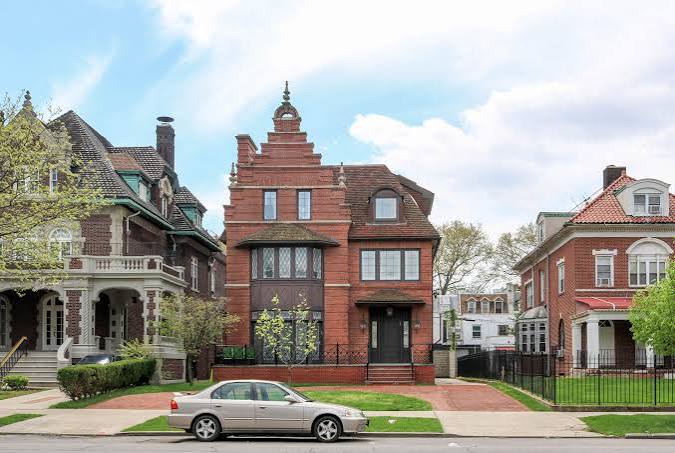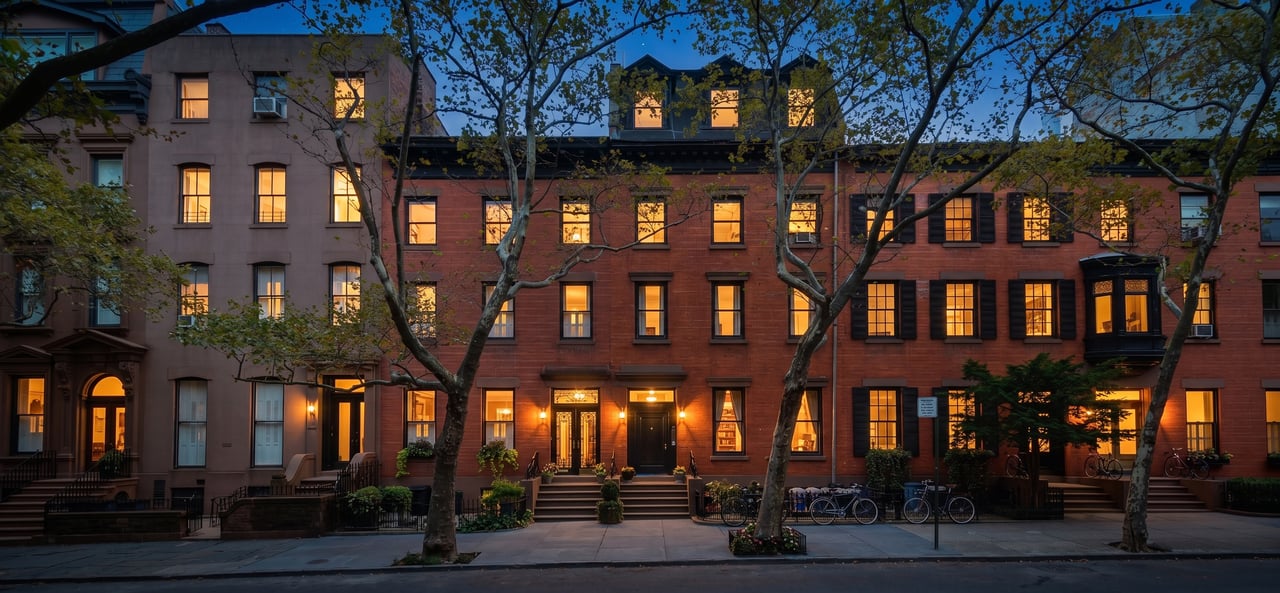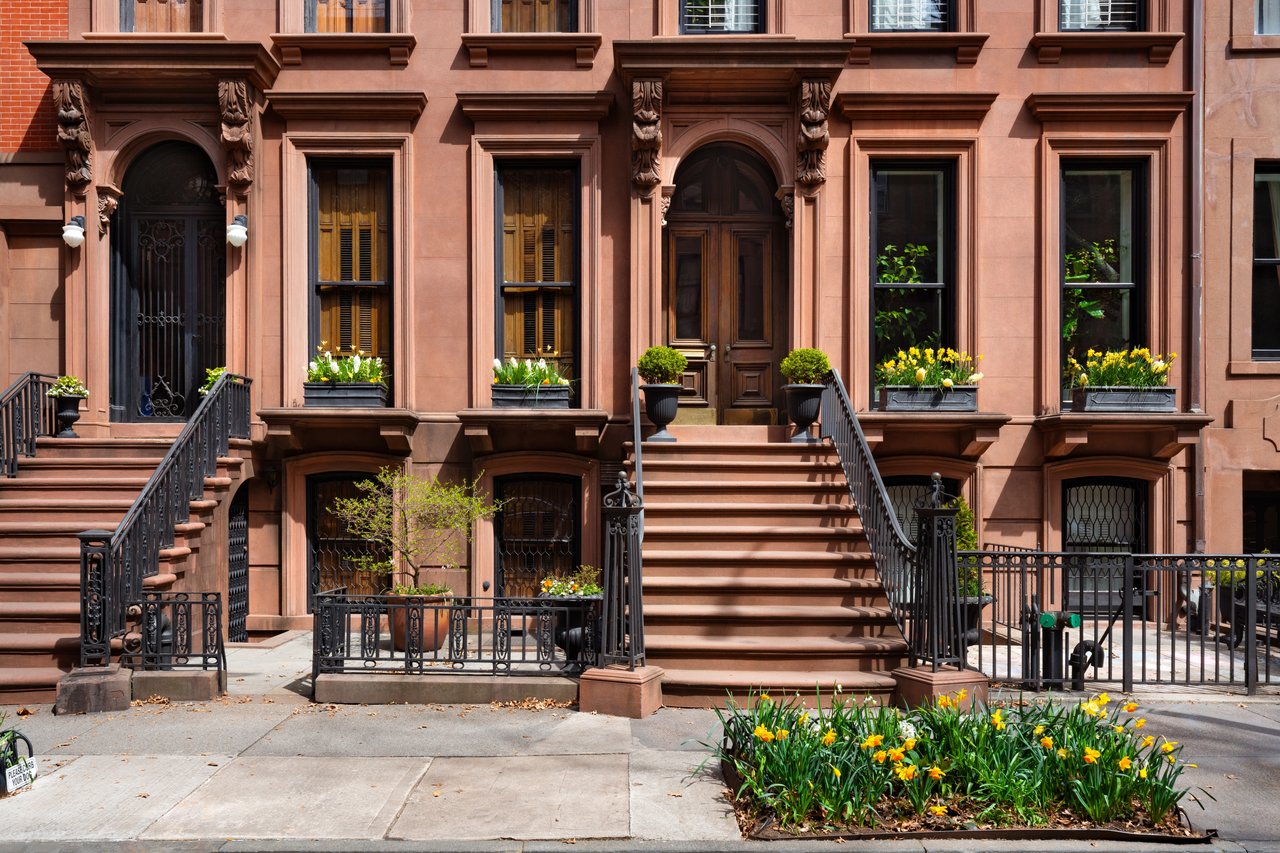
Brooklyn's housing stock is overwhelmingly pre-war. Brownstones built in the 1880s, condos carved out of factory buildings a century old: the average Brooklyn property a buyer is considering has been standing for 80 to 120 years. That's not a problem. But it means a home inspection in Brooklyn is not the same as a home inspection in a new suburban development. This checklist covers what buyers need to look for by property type, what the red flags are, what specific systems inspectors find problems with most often in Brooklyn's pre-war buildings, and what to do when the inspector finds something.
Who does the inspection, when, and what it costs
A home inspection in New York is done by a licensed home inspector, hired and paid for by the buyer. The inspection typically happens after contracts are signed, during the inspection contingency period specified in the contract. Standard inspection contingency periods in Brooklyn are 10 to 15 business days, though this varies by deal. In very competitive situations, buyers sometimes agree to shorter contingency periods or conduct a pre-offer inspection to remove the contingency from the offer entirely.
For brownstones and townhouses, a general home inspection is the starting point. Depending on what the inspector finds, additional specialist inspections may be warranted: a structural engineer for foundation or wall issues, an environmental inspector for asbestos or lead paint, a chimney inspector for fireplaces that will be used, or a plumber for old cast-iron or galvanized pipe systems. Budget time for these follow-up inspections if the general inspector flags anything worth a second look. The typical brownstone inspection runs two to four hours for a general inspector; specialist follow-ups can add another day or two to the process.
A general home inspection for a brownstone typically costs $700 to $1,000 depending on building size. Specialty inspections (structural engineer, environmental, chimney, sewer scope) add to that. For a condo unit inspection, expect $400 to $600. These are non-refundable costs that go away if the deal falls apart for any reason, which is why buyers sometimes waive inspections in very competitive situations. It's still almost always worth doing, and the cost is a rounding error in the context of a $2M purchase decision.
Choosing a home inspector with Brooklyn experience
Not all home inspectors have equal familiarity with Brooklyn's pre-war building stock. An inspector who primarily does suburban single-family homes in New Jersey may have limited experience with the specific failure modes of 120-year-old brownstone construction: rubble stone foundations, steam heating systems, knob-and-tube wiring, cast-iron plumbing, and the particular way Brooklyn's clay soil affects foundation behavior. Ask your broker and your attorney for referrals to inspectors who have done a significant number of Brooklyn brownstone inspections specifically.
An inspector who has been through 500 Brooklyn brownstones has seen the failure modes that matter, knows what to probe, and can put findings in context (this is normal for a building this age; this is unusual and worth a second look) in ways that a generalist inspector can't. Cost should not be the primary decision criterion. A thorough brownstone inspection from an experienced inspector costs $700 to $1,000. Cutting that cost to $400 by hiring a less experienced inspector is not worth it in a transaction where you're committing to a $2M building that's been standing since 1885.
Foundation and structure: what to look for
The foundation is the most consequential item in any brownstone inspection. Brooklyn brownstones typically sit on rubble stone, brick, or poured concrete foundations that have been in the ground for 100 to 150 years. What to look for: horizontal cracks in foundation walls (serious, as these indicate lateral pressure from the soil), large vertical cracks (potentially serious depending on pattern and location), evidence of water intrusion, and any signs that the foundation has shifted or settled unevenly. Stair-step cracking in masonry walls that follows the mortar joints is often a sign of differential settlement. A general inspector can identify concerns; a structural engineer provides the definitive assessment if anything looks significant. A structural engineer's assessment for a brownstone foundation issue typically costs $800 to $1,500 and is worth every dollar when the alternative is discovering an active foundation problem after you close.
Party walls also matter. A party wall is the shared wall between two adjacent rowhouses. Party wall conditions in Brooklyn brownstones can range from excellent to problematic. Issues include water infiltration through an unmaintained adjacent roof that runs along the party wall, structural cracks at the party wall, and in rare cases, separation of the party wall from the building. A good inspector will look at the condition of the party wall seam in the attic and along the top floor. If you see water staining along one side of the interior of an upper floor, the party wall is worth examining carefully.
Roof and facade: the most common deferred maintenance
Most Brooklyn brownstones have flat roofs with a membrane covering. The membrane has a lifespan of 15 to 25 years depending on material and maintenance. Ask the seller when the roof was last replaced and get the inspector's assessment of its current condition. A flat roof in good condition with intact flashing and no ponding is a clean bill of health. Blistering, cracking, failed flashing at parapet walls, or evidence of prior repairs indicate a roof that may need replacement sooner than you'd want. Roof replacement on a 20-foot Brooklyn rowhouse runs $15,000 to $35,000 depending on material and scope. If the parapet walls need rebuilding at the same time, add another $10,000 to $25,000.
The front facade is a related issue. Brownstone facades require periodic repointing of the mortar joints. Spalling brownstone (where the surface layer of the sandstone is flaking or breaking away, particularly common on painted brownstone) or failed mortar can allow water infiltration into the building envelope. In landmark districts, facade repairs require LPC approval, which adds time and cost to any remediation. Budget $30,000 to $80,000 for a full facade restoration on a 20-foot-wide brownstone with moderate to significant spalling.
Plumbing: cast iron, galvanized pipe, and sewer lines
Brooklyn brownstones built before World War II frequently have some original plumbing. Cast-iron drain lines are generally reliable but can corrode after many decades, particularly at the horizontal runs where buildup and blockages are common. A sewer scope (a camera inserted into the building's main drain line to the city sewer) is worth adding to any brownstone inspection. The cost is typically $200 to $350 and it reveals the condition of the underground drain line from the building to the street, where repairs are expensive. Tree roots in drain lines and cracked drain pipes are findings that a sewer scope reveals and a visual inspection misses entirely.
Galvanized steel supply pipes (found in buildings that were not replumbed during post-war decades) have a useful life that is often past in 100-year-old buildings. Signs of galvanized pipes include low water pressure, discolored water (a rusty orange color at the start of a flow), and visible rust on exposed pipe sections. Full replumbing of a brownstone is a major expense, typically $40,000 to $80,000 or more depending on building size, configuration, and accessibility. If galvanized supply lines are present throughout the building, budget accordingly or negotiate a credit.
Lead service lines connecting the building to the city water main are another consideration. NYC has an active program to identify and replace lead service lines. Your plumber or inspector can assess whether the building's connection is lead or copper, and the NYC DEP has a map of known lead service lines that your broker or attorney can pull as part of due diligence.
Electrical systems: knob-and-tube, panels, and capacity
Older Brooklyn brownstones may still have original knob-and-tube wiring in portions of the building that were never updated, or they may have had partial updates that left a mix of old and new wiring. Knob-and-tube wiring is not inherently dangerous if it's intact and not covered by insulation, but it's typically insufficient for modern electrical loads, and insurance companies sometimes require its removal as a condition of coverage. If the inspector identifies knob-and-tube, get an electrician's assessment of the scope of the issue and a rough cost estimate before you decide whether to proceed. Full electrical rewiring of a brownstone is a significant expense: typically $30,000 to $70,000 depending on building size and configuration.
Federal Pacific and Zinsco electrical panels, found in some Brooklyn brownstones from mid-century renovations, have known reliability issues and are flagged by most inspectors. Federal Pacific Stab-Lok panels in particular have a documented history of breaker failures that create fire risk. Replacement is typically recommended when these panels are found, and most insurance companies will require it. Panel replacement alone runs $3,000 to $8,000; if the full service needs to be upgraded at the same time, costs rise.
Boiler, heating, and mechanical systems
The boiler is the heart of a brownstone's heating system. Most Brooklyn brownstones heat with steam or hot water from a gas or oil boiler. A boiler has a useful life of 20 to 30 years with proper maintenance. Ask when the current boiler was installed and get the inspector's assessment of its condition. A boiler at end of life is a significant upcoming expense: replacement typically runs $8,000 to $18,000 or more depending on building size and system configuration.
Steam heating systems (common in Brooklyn pre-war construction) have their own set of maintenance considerations: steam traps that fail and need periodic replacement, radiators that knock and drip, and insulation on steam pipes that may contain asbestos if the building is old enough. A boiler technician's assessment of a steam system is worth having in addition to the general inspector's visual assessment, because steam systems have failure modes that require specialized knowledge to evaluate accurately.
Oil tanks, if present, should be assessed for leaks and regulatory compliance. An underground oil tank that has leaked is an environmental liability that can cost tens of thousands of dollars to remediate and can encumber the property's title. Many sellers in Brooklyn have already switched from oil to gas, but buildings that still have oil-burning boilers typically have either an interior steel tank or an underground tank, and both warrant inspection.
Basement, lead paint, and environmental concerns
Water intrusion in the basement is extremely common in Brooklyn brownstones. Evidence of water: efflorescence (white mineral deposits on masonry walls that indicate water is moving through the masonry), staining on the floor or lower walls, active or dried discharge from a sump pump, cracks in the floor slab. Some degree of seasonal moisture is normal in Brooklyn basements. Active water infiltration, particularly through the foundation walls, is a more serious issue that requires remediation: waterproofing interior or exterior, drain tile installation, or in severe cases, foundation repair.
Lead paint is present in virtually every Brooklyn property built before 1978, which is the majority of the housing stock. If you have or are planning to have children under six, this requires attention: disturbing lead paint during renovation without proper protocols is a health hazard and a regulatory violation. NYC Local Law 1 imposes specific obligations on owners of buildings with lead paint where young children reside. A lead paint inspection identifies where lead paint is present and its condition. Intact lead paint that is not disturbed is generally not an active hazard; deteriorating or disturbed lead paint is.
Asbestos-containing materials are commonly found in older Brooklyn properties: floor tiles (particularly 9-inch vinyl floor tiles common in mid-century kitchens and basements), pipe insulation, plaster, and roofing materials from the early-to-mid 20th century may contain asbestos. Intact asbestos-containing materials are not typically a health hazard. Disturbed or friable asbestos requires professional abatement during renovation, which adds cost and time to any project involving those materials. If you're planning significant renovation, an environmental inspection before you buy is money well spent.
What to do when the inspector finds something
Most inspections in Brooklyn find something. In a 100-year-old brownstone, finding zero issues would be more alarming than reassuring. The question is not whether the inspection produces findings: it's whether those findings are material, what they cost to address, and whether the price you've agreed to pay already reflects the building's condition.
Minor findings (aging but functional systems, cosmetic issues, minor maintenance items) are typically noted and lived with. Material findings (structural issues, failed roof, end-of-life boiler, galvanized pipes throughout) are worth quantifying with a contractor estimate and bringing back to the negotiation. In a standard contract, the buyer can request repairs or a price credit based on material inspection findings. Whether the seller agrees is a negotiation, and how you approach it matters. A buyer who sends a list of 40 minor inspection items and demands $200,000 in credits has not read the room. A buyer who identifies the two or three genuinely material items, gets real contractor estimates, and presents a specific and reasonable request is in a better position to get something done.
Walk-away situations are rare but real: a brownstone with an active foundation failure, environmental contamination that requires full remediation, or an illegal configuration that can't be cured may be worth walking away from at any price, depending on your tolerance for the risk and the complexity of fixing it. Your inspector's job is to identify what's there. Your contractor's job is to price what it costs to fix it. Your broker's job is to help you evaluate whether the deal still makes sense given what you've learned.
Common questions about Brooklyn home inspections
Can I waive the inspection contingency to make my offer more competitive? Yes, but understand what you're giving up. Waiving the inspection contingency means you've agreed to purchase the property regardless of what a physical inspection reveals. If you want to waive the inspection contingency, do a pre-offer inspection (ask the broker if this is available) so you're making an informed decision rather than a blind one.
Should I be at the inspection? Yes. Being present at the inspection gives you the opportunity to walk through the property with the inspector, ask questions in real time, and understand the context of findings. An inspection report without the walkthrough is much harder to interpret. Plan for two to four hours for a brownstone inspection. The inspector's verbal commentary during the walkthrough often provides more useful context than the written report, because inspectors can explain which findings are typical for the building type and age and which are genuinely unusual.
What should I do if the seller won't allow an inspection? A seller who won't allow a buyer's inspection is either concealing something or is in a competitive offer situation where they're accepting offers without contingencies. In the first case, the lack of inspection access is a serious red flag. In the second case, a pre-offer inspection (conducted before you submit an offer, with the seller's agreement) can allow you to compete without an inspection contingency while still knowing what you're buying.

Fouad Rahmé
Founder, the Rahmé Team
The Rahmé Team advises buyers, sellers, investors, and developers across Brooklyn, with 40 years of combined experience, more than 1,000 clients and transactions, and over $800 million in career sales. RealTrends Verified ranks the team in the top 1.5% of real estate professionals nationwide.
Contact the team or call (718) 233-3365.
Buying a Brooklyn brownstone or condo and want to know what to watch for?
The Rahmé Team has been through hundreds of Brooklyn inspections and knows which findings are negotiating points and which are deal-breakers. Call (718) 233-3365 or contact us.
Frequently Asked Questions
What does a home inspection cover in Brooklyn?
A standard inspection covers the structural elements, roof, foundation, exterior, electrical systems, plumbing, HVAC, insulation, windows, and visible interior conditions. In Brooklyn brownstones, inspectors also look closely at the facade, the parapet, basement moisture, and any additions or rear extensions that may have been built without permits. A good inspector will also note any evidence of prior water infiltration, which is common in buildings this age.
How long does a home inspection take?
A thorough inspection of a full Brooklyn brownstone typically takes two to four hours. A condominium unit usually runs one to two hours. The larger and older the building, the longer the inspection. Plan to be present for the full walkthrough rather than waiting for the written report, since the inspector's verbal commentary during the inspection provides context that doesn't always come through clearly in writing.
What are the most common issues found in Brooklyn brownstones?
Water infiltration is the most frequent finding, whether through the roof, the facade, or the basement. Outdated electrical panels, particularly those with knob-and-tube or aluminum wiring, appear regularly in pre-war buildings. Cast iron drain lines with deterioration or blockages are common. Facade repointing issues and parapet conditions are frequent in rowhouses that haven't had recent exterior maintenance. None of these are automatically deal-breakers, but all require cost assessment and negotiation.
How do I use inspection findings to negotiate in Brooklyn?
Once you have the inspection report, your broker should help you identify which findings represent genuine cost and which are standard for a building of that age. Major mechanical issues, active leaks, and structural concerns are typically the strongest basis for renegotiation. Cosmetic findings or items that a home of this vintage is expected to have are weaker negotiating points. In a competitive Brooklyn market, some sellers will credit buyers for material findings rather than reduce the price.
Should I get a structural engineer in addition to a home inspector?
For a full brownstone or rowhouse purchase, a structural engineer's review is worth the cost, typically $500 to $1,000. A home inspector is a generalist. If the inspection flags any concerns about the foundation, the rear extension, the floor structure, or the facade, a structural engineer can assess severity and cost with much greater precision. On a $2M brownstone purchase, the engineering fee is a small price for that level of clarity.